
Uncategorized

Samsung Air Conditioners & AC Units: Complete Buying Guide

Comprehensive Guide to Samsung Air Conditioners and AC Units

Samsung air conditioners combine digital inverter technology, WindFree cooling and SmartThings app connectivity to deliver efficient, comfortable climate control for homes and businesses. Whether you are considering a compact wall-mounted unit for a bedroom or a powerful system for an open-plan office, understanding how Samsung AC units work – and what it takes to size, install and maintain them properly – will help you make a confident decision.

This guide is written for homeowners and businesses in Cape Town and the Western Cape who are researching Samsung air conditioners. Samsung is a reputable, innovation-driven choice, but even the best equipment underperforms without correct sizing, professional installation and regular maintenance.

Coolflow Air Conditioning specialises in Samsung aircon installation, servicing, repairs and regassing across Cape Town and the Western Cape. Need help choosing a Samsung air conditioner? Call 078 772 0455 or email info@coolflowaircon.co.za for professional advice.

Below, you will find everything from how Samsung inverter air conditioners work through to BTU sizes, pricing factors, electricity consumption, and care and repairs.

What Are Samsung Air Conditioners? (Overview of Samsung Air)

Samsung entered the air conditioning space in the late 1960s and has since grown into the number one global air conditioning brand. Decades of research and development have produced a product range that spans wall-mounted split units, WindFree wall mounts, ducted systems, cassette ceiling units, and larger commercial solutions. Samsung air conditioning units incorporate smart technology and high energy efficiency across many of these product lines, making them a common sight in South African homes, offices and retail spaces.

When people search for “Samsung air conditioner,” “Samsung AC,” “Samsung aircon” or simply “Samsung air,” they are referring to the same product family. Common features across many Samsung air conditioners include the digital inverter compressor, WindFree cooling mode, fast turbo modes for rapid temperature changes, multi-stage filtration, and integration with the SmartThings app for remote control and scheduling.
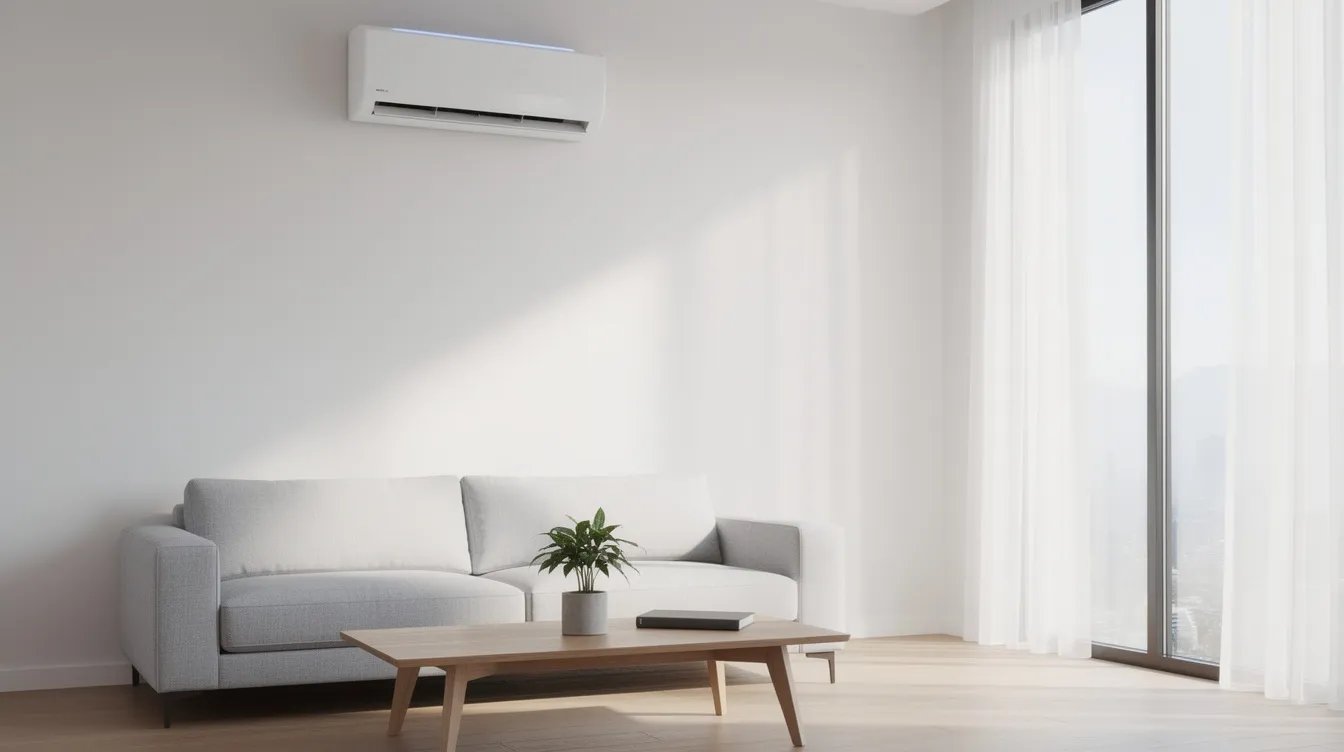
The image features a sleek, modern white wall-mounted air conditioning unit, likely a Samsung model, installed in a bright and airy minimalist living room with large windows. The design emphasizes efficiency and comfort, showcasing the technology's capability for optimal indoor temperature control and energy savings.

In Cape Town and the Western Cape, typical installations might include a quiet WindFree unit in a bedroom in Century City, a higher-capacity inverter split for an open-plan living and dining room in Durbanville, or a cassette system in a small office in the Cape Town CBD. Samsung offers a range of air conditioners including WindFree models for enhanced comfort, but these systems need correct design, air conditioning installation and air conditioning maintenance for best performance. A well-chosen Samsung unit paired with professional setup serves residential air conditioning and commercial air conditioning needs equally well.

How Samsung Inverter Air Conditioners Work

The simplest way to understand an inverter air conditioner is to compare it to a non-inverter. A non-inverter compressor runs at full power until the room hits the set temperature, then shuts off entirely – cycling on and off repeatedly. Inverter ACs use variable-speed compressors for efficiency: Samsung’s digital inverter compressor ramps up quickly to reach the target indoor temperature, then slows down to maintain it steadily without switching off. The result is fewer temperature swings, less mechanical stress on the compressor, and quieter operation throughout the day.

Samsung’s more advanced models feature AI auto cooling, which analyses room conditions and user preferences to optimise operation automatically. The system can learn your usage patterns – when you typically arrive home, what temperature you prefer, and how the room heats up based on time of day and outside conditions. AI auto cooling can switch between initial fast cooling and WindFree maintenance mode without any manual input, adjusting power to match what the space actually needs. Digital Inverter Boost reaches target temperatures up to 43 percent faster than conventional models, so the room cools down rapidly before the unit settles into a gentler maintenance state.

WindFree cooling is a standout feature on many Samsung inverter models. Once the room reaches the desired temperature, the unit can transition to WindFree mode, where cooled air is gently distributed through thousands of micro air holes – around 23 000 on some models. This creates a still air environment without cold drafts, with air velocity below 0.15 m/s, which meets the ASHRAE 55 definition of “still air.” For people who dislike the sensation of cold air blowing directly at them, especially during sleep, this technology is a practical improvement over conventional air flow.

Many Samsung inverter air conditioner models also include built-in Wi-Fi. You can control your air conditioner via the SmartThings app – adjusting temperature, switching modes, and setting schedules from your smartphone. The app also lets you set schedules and monitor energy use remotely, and it allows grouping of multiple units if you have more than one Samsung air conditioner in your home or office.

In short: Samsung inverter aircon works by varying compressor speed to match cooling demand, reducing energy waste and keeping your indoor temperature more stable than a fixed-speed system can.

Benefits of Samsung Inverter & WindFree Air Conditioning

For homeowners and businesses choosing Samsung inverter aircon – with or without WindFree – the practical benefits fall into several categories.

Samsung air conditioners maintain precise temperature with minimal fluctuation, thanks to the inverter compressor’s ability to modulate power rather than cycling between full blast and off. You get fast initial cooling when you first switch on, followed by steady maintenance that avoids the hot-cold swings common with older systems. WindFree air conditioners maintain comfortable temperatures efficiently once that initial target is reached, using significantly less power in maintenance mode than during active fast cooling. WindFree technology cools without uncomfortable drafts, improving efficiency at the same time by running the compressor at lower, steadier loads.

Samsung air conditioners are designed for energy efficiency and quiet operation. At partial load, the inverter compressor generates less noise and vibration than a unit running at full speed, which makes these systems well suited to bedrooms, nurseries, boardrooms and home offices. WindFree cooling is particularly suitable for bedrooms and environments requiring gentle air flow, where the absence of direct drafts means you can sleep without waking up cold or repositioning yourself away from the airstream.

Many Samsung inverter air conditioners can provide both heating and cooling functions through heat pump operation. In the Western Cape’s cooler winter months, a heat pump can be more efficient than a plug-in resistive heater, with coefficient of performance values often in the 3.2 to 3.7 range – meaning you get several units of heat energy for each unit of electricity consumed.

Air quality is another advantage worth noting. Advanced air filtration captures micro-dust, allergens, and reduces airborne viruses. Higher-end models include PM1.0 or multi-stage PM2.5 filtration to capture fine particles that standard filters miss. Maintaining indoor air quality includes using multi-layer care filters and self-cleaning cycles built into many Samsung units. To keep filtration effective, regular air conditioner servicing is essential – filters clog over time, and dirty coils reduce both air quality and cooling performance. If you need air conditioning repairs or want to book a service, working with professional aircon installers who know Samsung systems ensures the job is done properly.
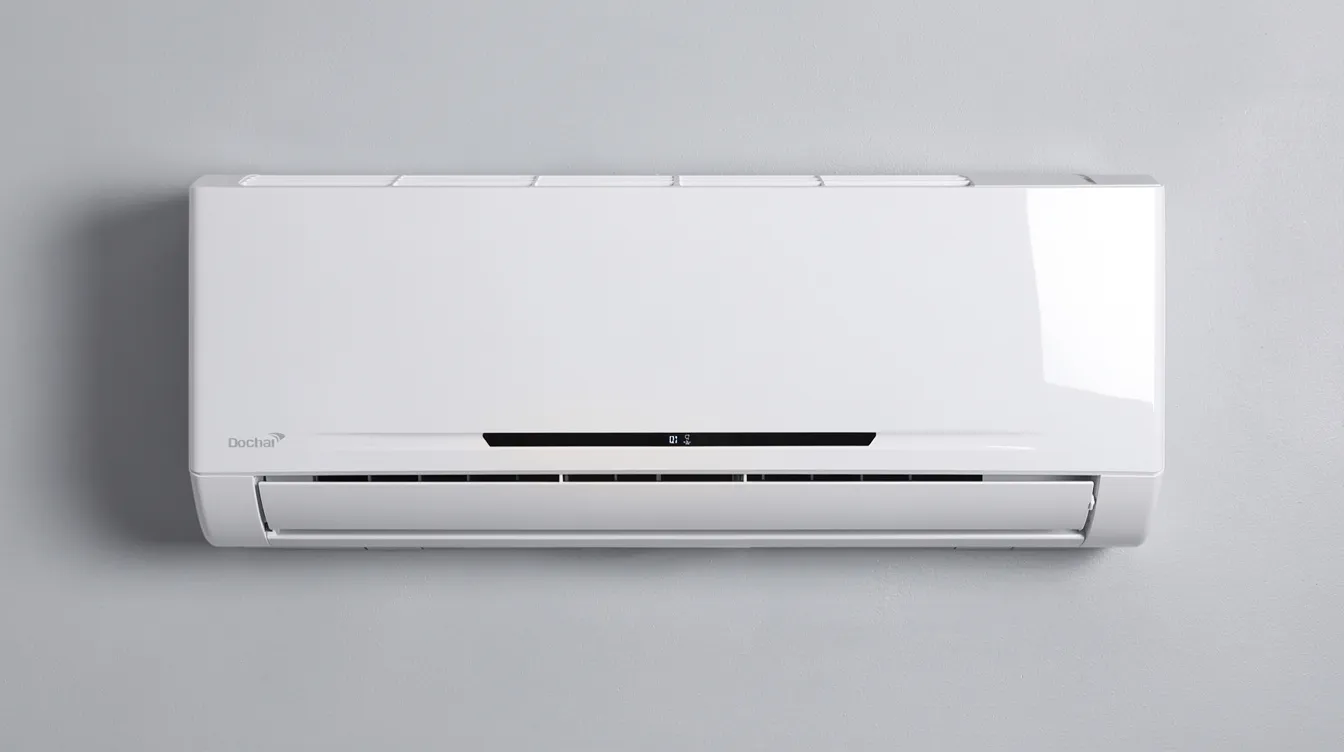
A close-up view of a sleek white wall-mounted indoor air conditioning unit features a modern panel design, showcasing thousands of micro air holes for efficient airflow. This Samsung air conditioner is equipped with AI auto cooling technology to maintain ideal indoor temperatures while promoting energy savings.

Samsung Split Air Conditioners & System Types

A Samsung split air conditioner consists of two connected units: a wall-mounted indoor unit and an outdoor condenser. The indoor unit contains the evaporator coil, blower fan, air filters and temperature sensor – it is the slim, white unit you see mounted high on the wall in most homes and offices. The outdoor unit houses the compressor, condenser coil and fan, and is typically installed on a balcony, external wall bracket or roof space. Refrigerant piping and electrical cabling connect the two, and a condensate drain line carries moisture away from the indoor unit.

Single-split systems pair one indoor unit with one outdoor unit – the most common setup for individual rooms. Multi-split systems connect multiple indoor units to a single outdoor condenser, which is useful in apartments or multi-room homes where outdoor space is limited. Beyond wall-mounted splits, Samsung also offers ducted systems that distribute conditioned air through ceiling ducts, cassette units that mount flush in suspended ceilings, and larger VRF-style solutions for commercial buildings and retail spaces. Each system type suits different property layouts and cooling demands.

Correct pipe length, elevation differences between indoor and outdoor units, and unit positioning all affect system performance. Longer refrigerant runs lose efficiency, poorly placed outdoor units overheat or corrode faster, and incorrect drainage slopes cause water leaks indoors. This is why professional air conditioning installation matters – and why choosing qualified technicians for split system air conditioning setups makes a measurable difference to comfort and reliability. You can explore Samsung’s full split system range on the Samsung HVAC product page.

Samsung Air Conditioner Sizes & BTU Sizing Guide

BTU – British Thermal Unit – is the standard measure of an air conditioner’s cooling capacity. Choosing the correct BTU rating is one of the most important decisions when buying a Samsung air conditioner, because an undersized unit will struggle to cool the room (running constantly and using more electricity), while an oversized unit will short-cycle, creating uncomfortable temperature swings and unnecessary wear.

Common Samsung wall-mount split sizes available in South Africa include 9 000 BTU, 12 000 BTU, 18 000 BTU and 24 000 BTU. As a general guide: 9 000 BTU suits small bedrooms and studies (roughly 12–18 m²), 12 000 BTU handles standard bedrooms and small lounges (18–25 m²), 18 000 BTU covers medium-sized lounges and dining areas (25–35 m²), and 24 000 BTU serves large open-plan living areas or small offices (35–50 m²). Higher-capacity models are needed for larger spaces, and some Samsung ranges extend beyond 24 000 BTU for commercial applications.

Air conditioner size depends on room square metre size, but floor area alone does not tell the full story. Ceiling height affects the required air conditioner size because taller ceilings mean more air volume to cool. Insulation quality influences air conditioner sizing needs – a well-insulated room retains cool air far longer than one with single-glazed windows and no ceiling insulation. The number and size of windows, direct sunlight exposure, room occupancy, and heat generated by appliances and computers all play a role. In Cape Town, west-facing sea-view apartments exposed to afternoon sun typically need a higher BTU rating than shaded mountain-side properties of the same floor area.

Which Samsung air conditioner size do I need? The honest answer is that it depends on your specific room conditions. For accurate sizing, a professional air conditioner sizing assessment from Coolflow ensures you avoid costly mistakes. You can also explore the dedicated 9000 BTU air conditioner and 24 000 BTU air conditioner pages for more detail on each capacity.
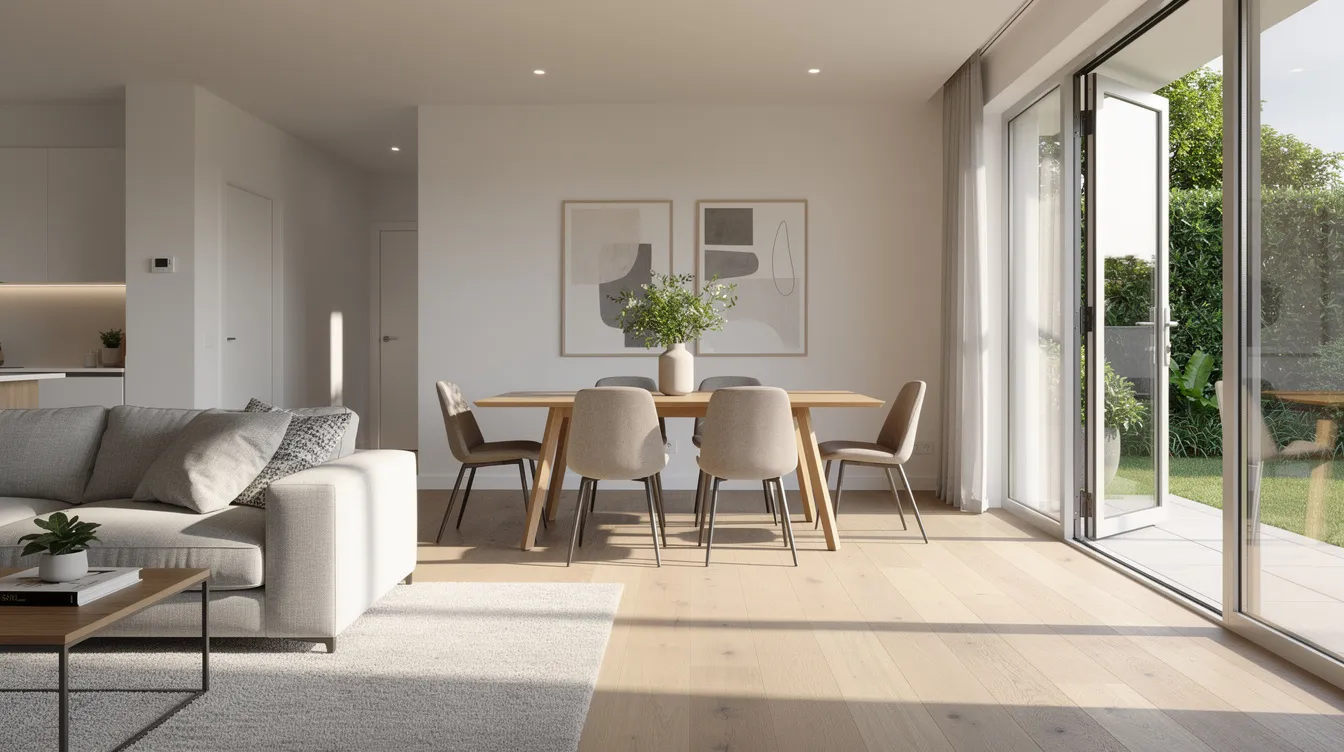
The image depicts a spacious modern open-plan living and dining room, featuring large sliding glass doors that allow sunlight to stream in, creating a warm and inviting atmosphere. This bright space is ideal for relaxation and comfort, enhanced by the efficient cooling of Samsung air conditioners, ensuring a pleasant indoor temperature.

Focused Look: Samsung 9000 BTU Air Conditioner

A Samsung 9 000 BTU inverter air conditioner is ideal for compact rooms – small bedrooms, home studies and single offices in the 10–18 m² range, depending on insulation and sun exposure. At this capacity, users can expect quiet night mode, WindFree cooling on many models, and efficient continuous running for overnight comfort.

This size is popular in Cape Town apartments and townhouses where bedroom space is limited but summer nights can be warm and humid. A 9 000 BTU WindFree unit provides gentle cooling without drafts, making it a strong option for light sleepers. That said, exact suitability depends on factors like window orientation and insulation – a quick site check or phone consultation can confirm whether 9 000 BTU is the right fit.

For more information, visit the dedicated 9000 BTU air conditioner page. To discuss which Samsung 9 000 BTU model suits your space, contact Coolflow on 078 772 0455 or email info@coolflowaircon.co.za.

Focused Look: Samsung 24000 BTU Air Conditioner

A Samsung 24 000 BTU inverter air conditioner is designed for larger open-plan lounges, combined living and dining areas, and medium-sized offices or retail spaces. In modern Western Cape homes with floor-to-ceiling sliding doors and expansive glass, this capacity helps you stay cool even when the afternoon sun heats up the space.

At 24 000 BTU, installation requirements are more demanding. The outdoor unit is heavier, electrical supply needs to be adequate, and refrigerant pipe runs should be planned carefully to maintain efficiency. WindFree variants at this capacity provide more even, draft-free comfort across open-plan areas where occupants sit at varying distances from the indoor unit. Professional Samsung air conditioner installation is essential at this size to ensure safe mounting, correct pipe sizing and proper airflow distribution.

For detailed specifications, see the 24 000 BTU air conditioner page. If you would like a site inspection in Cape Town or the Western Cape, Coolflow can help – call 078 772 0455.

Samsung Air Conditioner Price: What Affects Cost?

Samsung air conditioner price – whether you search for Samsung aircon price or Samsung AC price – varies depending on several factors, and quoting a single number without knowing your specific requirements would be misleading.

The main drivers of cost include BTU capacity (larger units cost more in both equipment and installation materials), inverter versus non-inverter technology, WindFree versus standard models, Wi-Fi and SmartThings support, filtration level, and indoor unit styling. Total installed cost covers the equipment itself plus installation materials such as brackets, copper piping, cabling and condensate drainage, labour, travel within the Western Cape, and any electrical upgrades needed for higher-capacity units.

Installation complexity also affects pricing. Upper-floor apartments with long pipe runs, difficult condenser placement or core drilling through concrete walls cost more than straightforward ground-floor installations. It is worth noting that higher-efficiency Samsung inverter air conditioners can cost more upfront but may reduce long-term electricity bills – an important consideration given South Africa’s rising electricity tariffs. The most reliable way to understand your total cost is to request a written quote after a brief site assessment or by sharing photos and room details with a qualified installer.

For current Samsung air conditioner installation pricing in Cape Town and the Western Cape, call 078 772 0455 or email info@coolflowaircon.co.za, and ask about any current Samsung aircon sale when requesting pricing. You can also visit the contact page to request a callback.

Samsung Air Conditioner Electricity Consumption

Energy-efficient Samsung air conditioners minimise electricity consumption through inverter operation, but actual running costs depend on several interacting factors.

Unit capacity is the starting point – a 24 000 BTU system draws more power at full load than a 9 000 BTU unit. The efficiency rating (EER, SEER or COP listed on the energy label) indicates how much cooling or heating you get per unit of electricity. Set temperature matters significantly: running at 23–24 °C uses meaningfully less energy than pushing the thermostat down to 18 °C. Fan speed, operating mode (cooling vs dry vs auto) and how often doors and windows are opened all influence consumption. Samsung inverter air conditioners run more efficiently at partial loads, especially once the room is near the target temperature and the compressor slows down rather than cycling off entirely.

In Cape Town, peak cooling demand falls in December through February, with some shoulder-season use for heating on cool winter evenings. The SmartThings app on compatible Samsung models lets you track basic consumption trends, which helps identify wasteful habits. For broader guidance on energy-efficient appliance use in South Africa, Eskom and SANEDI publish useful resources.

Good air conditioning maintenance also keeps electricity consumption in check. Dirty filters restrict air flow, forcing the system to work harder. Clogged condenser coils reduce heat exchange efficiency. A unit that has not been serviced in years can use noticeably more power than one in clean, well-maintained condition.

How much electricity does a Samsung aircon use? There is no single answer – it ranges from low to high depending on unit size, efficiency rating, settings, runtime, room conditions, installation quality and maintenance history.

Samsung Inverter vs Non-Inverter Air Conditioner

“Should I choose an inverter or non-inverter Samsung air conditioner?” This is one of the most common questions buyers ask, and the answer depends on how you weigh upfront cost against long-term comfort and running expenses.

Feature Samsung Inverter AC Samsung Non-Inverter AC
Compressor operation Variable speed – modulates to match demand, runs continuously at lower power once set temperature is reached Fixed speed – runs at full power then switches off; cycles on/off repeatedly
Temperature control Stable – minimal fluctuation around the set point Less stable – noticeable hot and cold swings as the compressor cycles
Noise Quieter at partial load; reduced vibration and fan noise Louder compressor startups; more obvious cycling noise
Purchase cost Higher upfront – more advanced electronics and motor Lower upfront – simpler components
Running cost Generally lower over time, especially with extended daily use Generally higher – inefficient start/stop cycling wastes energy
Common availability Most modern Samsung wall-mount models in South Africa are inverter Fewer options in current Samsung ranges; typically entry-level lines
Inverter models maintain consistent temperatures, improving comfort throughout the day and night. Inverter ACs are generally more energy-efficient than non-inverter models, particularly when the unit runs for extended hours. Non-inverter ACs operate at fixed speeds, causing temperature fluctuations that many users find uncomfortable. While a non-inverter Samsung unit may be cheaper to purchase, the inverter alternative tends to deliver better comfort and potential long-term savings – especially in a climate like Cape Town’s, where air conditioning may run for several months of the year.    

Most premium Samsung wall-mounted systems sold in South Africa today, including the WindFree range, are inverter by default. If you want to understand more about how inverter technology compares, visit the inverter air conditioner page.

Choosing the Right Samsung Air Conditioner for Your Space

Selecting the right Samsung air conditioner means matching BTU capacity, features and budget to your actual needs – not just picking the cheapest or most expensive option on the stock list.

Start with BTU sizing. Recap the key ideas: measure your room, account for ceiling height, windows, sun exposure and insulation, and ideally get a professional air conditioner sizing assessment. An oversized unit wastes money; an undersized unit never quite gets the room comfortable.

Beyond capacity, consider these selection criteria: energy efficiency rating (higher is better for long-term savings), noise levels in decibels (critical for bedrooms and home offices), whether you want WindFree mode for draft-free comfort, heating and cooling capability for year-round use, and Wi-Fi connectivity if remote control via the SmartThings app on your smartphone appeals to you. Warranty terms matter too – Samsung offers up to 10 years on compressors in many inverter and WindFree lines, but warranty validity typically requires installation by qualified technicians. Ensure your unit is installed by professional aircon technicians to keep coverage intact.

Budget is always a factor. Sometimes it makes sense to invest in a slightly higher-spec Samsung inverter aircon to reduce long-term electricity bills rather than saving a few hundred rand upfront on a less efficient model. For bedrooms, prioritise quiet operation and WindFree mode. For lounges, focus on air throw distance and capacity. For home offices, stable temperature protects both your comfort and your electronics. Explore your options further on the residential air conditioning or split system air conditioning pages, or call Coolflow at 078 772 0455 for tailored recommendations for your home or office.

Samsung Aircon Installation (Cape Town & Western Cape)

Professional Samsung air conditioner installation is crucial for performance, safety and longevity. Even the most advanced Samsung unit will underperform – or fail prematurely – if it is poorly mounted, incorrectly piped or inadequately drained.

A proper installation begins with a site survey to determine the ideal indoor unit position (considering air flow, aesthetics and access for future servicing), outdoor condenser location (adequate ventilation, minimal noise impact, protection from direct sun and salt spray in coastal areas), and the most efficient refrigerant pipe route. The technician then sizes and insulates copper piping, installs condensate drainage with the correct slope, connects electrical supply with appropriate isolators, creates a vacuum in the refrigerant circuit to remove air and moisture, pressure-tests for leaks, and commissions the system.

Poor installation increases electricity consumption, causes water leaks, introduces refrigerant loss and shortens equipment lifespan. Coolflow’s professional aircon installers are experienced with Samsung split air conditioner systems in homes, apartments and offices across Cape Town and the Western Cape, and follow manufacturer guidelines to protect your warranty.

For professional aircon installation in Cape Town and the Western Cape, call Coolflow Air Conditioning on 078 772 0455.
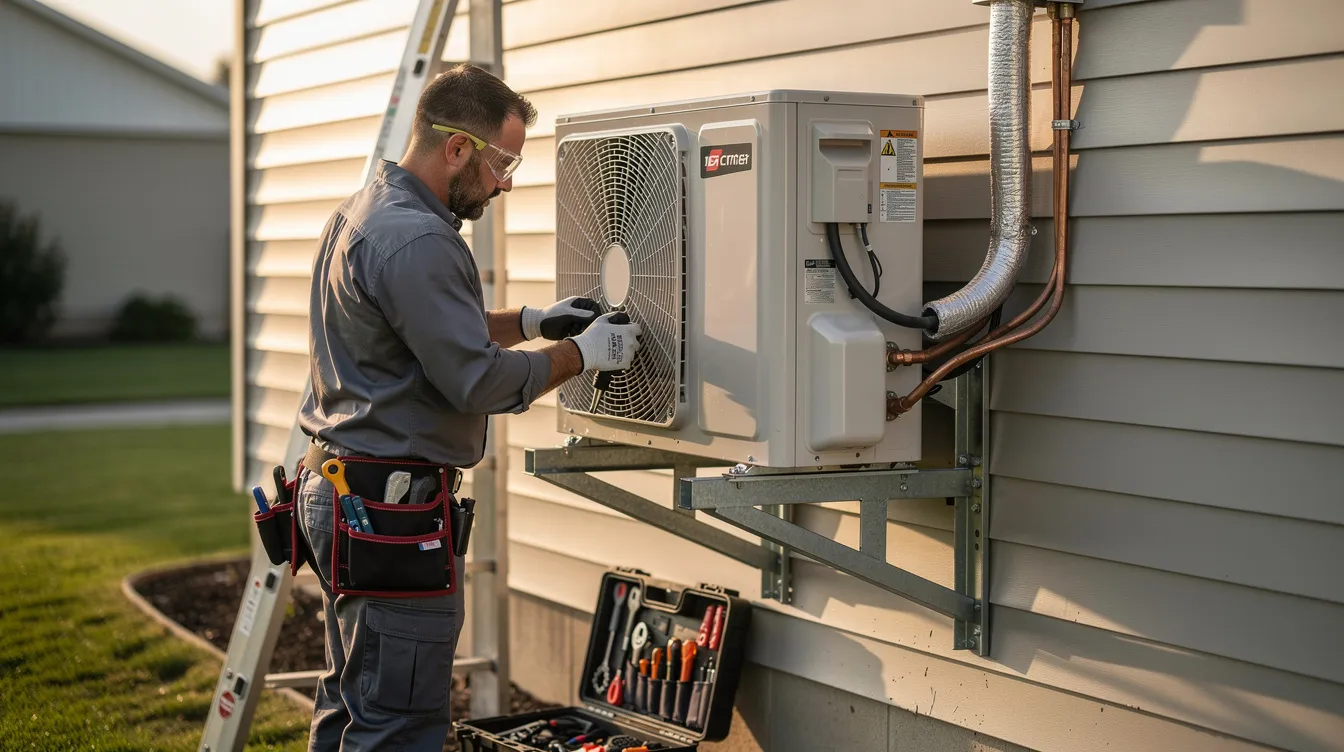
A technician in work clothes is installing a Samsung air conditioning condenser unit on an exterior wall bracket, ensuring proper air flow and efficiency for optimal cooling. The setup is part of a modern air conditioning system designed to enhance comfort and energy savings.

Samsung Aircon Maintenance, Servicing & Repairs

Regular Samsung air conditioner maintenance keeps performance, efficiency and air quality high – and helps prevent the kind of breakdowns that always seem to happen on the hottest day of the year.

Routine air conditioner servicing should include filter cleaning or replacement, indoor evaporator coil cleaning, outdoor condenser coil wash-down, inspection of condensate drains and fans, and a general performance check. Self-cleaning hygiene cycles built into many Samsung models flush out trapped moisture and bacteria between professional services, but they do not replace hands-on maintenance. For homes, an annual service is a sensible minimum. In coastal environments like Blouberg or Muizenberg, or in dusty commercial settings, more frequent attention is recommended.

Common issues that require aircon repair services include the unit not cooling (possibly low refrigerant, a compressor issue, or a failed outdoor fan), weak air flow (dirty filters or a faulty blower), water dripping from the indoor unit (blocked condensate drain or poor drainage slope), strange noises (fan blade damage, loose mounting, or compressor wear), unpleasant smells (mould or mildew in the indoor unit), error codes on the display, and electrical faults such as tripping the power supply. Samsung air conditioners can usually be repaired by trained technicians using genuine parts, though replacement is sometimes more economical for very old or heavily damaged units.

On the topic of regassing: Samsung air conditioners use a sealed refrigerant system. Under normal operation, refrigerant does not deplete. If gas levels are low, there is almost certainly a leak that must be located and repaired before the system is recharged. Aircon regas services should only be performed by qualified, licensed refrigeration technicians – DIY regassing is unsafe, environmentally harmful and illegal in South Africa. If your Samsung aircon is not cooling as it should, the first step is a professional diagnosis, not an automatic top-up.

For Samsung aircon servicing, repairs or regassing in Cape Town and the Western Cape, call 078 772 0455 or email info@coolflowaircon.co.za.

Samsung Air Conditioning in Cape Town & the Western Cape

Cape Town’s climate makes air conditioning a practical investment: hot, sometimes humid summers push indoor temperatures well above comfort levels, while cooler, wetter winters can benefit from heat pump operation. Samsung inverter aircon handles both seasons, and the combination of energy savings from inverter operation and the comfort of WindFree mode suits local conditions well.

Different property types call for different solutions. Apartments in the City Bowl or Sea Point often have limited outdoor space, making compact single-split or multi-split systems ideal. Family homes in suburbs like Durbanville, Brackenfell or Somerset West may need multiple units or higher-capacity systems for open-plan living areas. Guesthouses in Stellenbosch, small offices in Bellville, and retail spaces in Paarl each have their own sizing and installation requirements. In coastal suburbs like Blouberg, Milnerton, Muizenberg or Bantry Bay air conditioner installations, salty sea air accelerates corrosion on outdoor units – Samsung’s Durafin heat exchangers and protective coatings help, but correct positioning and regular air conditioning maintenance remain essential.

Coolflow Air Conditioning focuses exclusively on Cape Town and the Western Cape, which means local response times, familiarity with regional building styles, and accessible after-sales support. Whether you need a WindFree wall-mounted unit for a bedroom or a higher-capacity Samsung split air conditioner for an open-plan office, local expertise makes the difference. Explore residential air conditioning and commercial air conditioning options, or get in touch to discuss your project.

Images & Visuals for This Samsung Aircon Guide

This article should include four to six professional, high-quality images distributed evenly throughout:

  • Samsung wall-mounted inverter aircon in a Cape Town bedroom – filename: Samsung-air-conditioner.jpg – ALT: Samsung WindFree wall-mounted air conditioner installed in a Cape Town bedroom
  • Samsung split air conditioner indoor and outdoor combo – filename: Samsung-split-air-conditioner.jpg – ALT: Samsung split system showing indoor and outdoor air conditioning units
  • Modern open-plan room with an air conditioning unit visible – filename: Samsung-inverter-aircon.jpg – ALT: Samsung inverter air conditioner cooling a modern open-plan living area
  • Technician performing Samsung aircon installation – filename: Samsung-aircon-installation.jpg – ALT: Professional technician installing a Samsung air conditioner outdoor unit

Images should reflect South African homes and offices where possible, avoiding stock photos with clearly foreign plug types or branding.

FAQ: Samsung Air Conditioners

Below are answers to common Samsung aircon questions in a quick Q&A format.

Are Samsung air conditioners good? Yes. Samsung is the number one global air conditioning brand, known for reliable inverter compressors, innovative features like WindFree cooling, and strong warranty support (up to 10 years on compressors in many inverter lines). However, the quality of the installation and ongoing maintenance matter just as much as the brand name – a poorly installed Samsung unit will not perform as designed.

Is Samsung inverter aircon worth it? For most buyers, yes. Inverter models deliver more stable comfort, quieter operation and potential energy savings compared to non-inverter alternatives. If you use your air conditioner regularly – particularly through Cape Town’s summer months – the efficiency gains of an inverter system can offset the higher purchase price over time.

How much does a Samsung air conditioner cost? Samsung air conditioner price depends on BTU capacity, model features (WindFree, Wi-Fi, filtration level), and installation complexity. The most accurate way to get pricing is to request a quote based on your specific requirements. See the price section above for a full breakdown of cost factors, or contact Coolflow Air Conditioning for a discussion.

Which Samsung air conditioner size do I need? Size depends on room area, ceiling height, insulation, window exposure, occupancy and appliance heat load. Common sizes range from 9 000 BTU for small bedrooms to 24 000 BTU for large living areas. A professional air conditioner sizing assessment ensures you get the right match.

How much electricity does a Samsung aircon use? Consumption varies by unit size, efficiency rating, temperature settings, runtime and maintenance condition. Samsung inverter air conditioners use less energy than non-inverter models, especially at partial load. There is no single kWh figure – it depends entirely on your setup and usage habits.

Is Samsung aircon good for bedrooms? Samsung WindFree inverter units are among the best options for bedrooms. WindFree cooling distributes air through thousands of micro air holes, creating gentle cooling without cold drafts. Combined with low noise levels and sleep modes, these units are designed for undisturbed rest.

Can Samsung air conditioners heat and cool? Many Samsung inverter air conditioners operate as heat pumps, providing both cooling in summer and heating in winter. The heating mode can be more efficient than electric fan or bar heaters, making it a practical option for Western Cape winters.

What is the difference between inverter and non-inverter Samsung aircon? Inverter models use a variable-speed compressor that adjusts power to match demand, maintaining a steady temperature with less noise and lower energy use. Non-inverter models run at a fixed speed – full power on, then off – causing temperature fluctuations and higher overall consumption. See the comparison table earlier in this guide for a detailed side-by-side breakdown.

How often should Samsung aircon be serviced? At least once a year for residential units. Coastal properties and commercial installations may benefit from servicing every six months due to salt air corrosion and heavier usage. Regular air conditioning maintenance extends equipment life and maintains air quality.

Can Samsung air conditioners be repaired? Yes, most Samsung air conditioner faults – from sensor errors and fan issues to compressor problems – can be diagnosed and repaired by trained technicians with access to genuine parts. For professional air conditioning repairs, contact Coolflow.

Does Samsung aircon need regassing? Samsung air conditioners use a sealed refrigerant circuit. If refrigerant is low, it typically indicates a leak that must be found and repaired before regassing. Professional aircon regas services should always be carried out by licensed refrigeration technicians.

Can Coolflow install Samsung air conditioners in Cape Town? Yes. Coolflow Air Conditioning provides Samsung air conditioning installation across Cape Town and the broader Western Cape, including sizing advice, supply, installation and commissioning.

Does Coolflow service the Western Cape? Coolflow operates throughout Cape Town and the Western Cape, offering air conditioning services including installation, maintenance, repairs and regassing. Call 078 772 0455 or email info@coolflowaircon.co.za to discuss your needs.

Conclusion & Final Call to Action

Samsung air conditioners combine proven inverter technology, WindFree comfort and SmartThings control – but getting the most from any system starts with correct sizing, professional installation and regular maintenance. Whether you need a compact 9 000 BTU unit for a bedroom or a powerful 24 000 BTU system for an open-plan living area, the right Samsung aircon matched to your space can deliver years of reliable, energy-efficient comfort across Cape Town and the Western Cape.

Comprehensive Guide to Samsung Air Conditioners and AC Units

Samsung air conditioners combine digital inverter technology, WindFree cooling and SmartThings app connectivity to deliver efficient, comfortable climate control for homes and businesses. Whether you are considering a compact wall-mounted unit for a bedroom or a powerful system for an open-plan office, understanding how Samsung AC units work – and what it takes to size, install and maintain them properly – will help you make a confident decision.

This guide is written for homeowners and businesses in Cape Town and the Western Cape who are researching Samsung air conditioners. Samsung is a reputable, innovation-driven choice, but even the best equipment underperforms without correct sizing, professional installation and regular maintenance.

Coolflow Air Conditioning specialises in Samsung aircon installation, servicing, repairs and regassing across Cape Town and the Western Cape. Need help choosing a Samsung air conditioner? Call 078 772 0455 or email info@coolflowaircon.co.za to speak to Coolflow for professional advice.

Below, you will find everything from how Samsung inverter air conditioners work through to BTU sizes, pricing factors, electricity consumption, and care and repairs.

What Are Samsung Air Conditioners? (Overview of Samsung Air)

Samsung entered the air conditioning space in the late 1960s and has since grown into the number one global air conditioning brand. Decades of research and development have produced a product range that spans wall-mounted split units, WindFree wall mounts, ducted systems, cassette ceiling units, and larger commercial solutions. Samsung air conditioning units incorporate smart technology and high energy efficiency across many of these product lines, making them a common sight in South African homes, offices and retail spaces.

When people search for “Samsung air conditioner,” “Samsung AC,” “Samsung aircon” or simply “Samsung air,” they are referring to the same product family. Common features across many Samsung air conditioners include the digital inverter compressor, WindFree cooling mode, fast turbo modes for rapid temperature changes, multi-stage filtration, and integration with the SmartThings app for remote control and scheduling.

The image features a sleek, modern white wall-mounted air conditioning unit, likely a Samsung model, installed in a bright and airy minimalist living room with large windows. The design emphasizes efficiency and comfort, showcasing the technology's capability for optimal indoor temperature control and energy savings.

In Cape Town and the Western Cape, typical installations might include a quiet WindFree unit in a bedroom in Century City, a higher-capacity inverter split for an open-plan living and dining room in Durbanville, or a cassette system in a small office in the Cape Town CBD. Samsung offers a range of air conditioners including WindFree models for enhanced comfort, but these systems need correct design, air conditioning installation and air conditioning maintenance for best performance. A well-chosen Samsung unit paired with professional setup serves residential air conditioning and commercial air conditioning needs equally well.

How Samsung Inverter Air Conditioners Work

The simplest way to understand an inverter air conditioner is to compare it to a non-inverter. A non-inverter compressor runs at full power until the room hits the set temperature, then shuts off entirely – cycling on and off repeatedly. Inverter ACs use variable-speed compressors for efficiency: Samsung’s digital inverter compressor ramps up quickly to reach the target indoor temperature, then slows down to maintain it steadily without switching off. The result is fewer temperature swings, less mechanical stress on the compressor, and quieter operation throughout the day.

Samsung’s more advanced models feature AI auto cooling, which analyses room conditions and user preferences to optimise operation automatically. The system can learn your usage patterns – when you typically arrive home, what temperature you prefer, and how the room heats up based on time of day and outside conditions. AI auto cooling can switch between initial fast cooling and WindFree maintenance mode without any manual input, adjusting power to match what the space actually needs. Digital Inverter Boost reaches target temperatures up to 43 percent faster than conventional models, so the room cools down rapidly before the unit settles into a gentler maintenance state.

WindFree cooling is a standout feature on many Samsung inverter models. Once the room reaches the desired temperature, the unit can transition to WindFree mode, where cooled air is gently distributed through thousands of micro air holes – around 23 000 on some models. This creates a still air environment without cold drafts, with air velocity below 0.15 m/s, which meets the ASHRAE 55 definition of “still air.” For people who dislike the sensation of cold air blowing directly at them, especially during sleep, this technology is a practical improvement over conventional air flow.

Many Samsung inverter air conditioner models also include built-in Wi-Fi. You can control your air conditioner via the SmartThings app – adjusting temperature, switching modes, and setting schedules from your smartphone. The app also lets you set schedules and monitor energy use remotely, and it allows grouping of multiple units if you have more than one Samsung air conditioner in your home or office.

In short: Samsung inverter aircon works by varying compressor speed to match cooling demand, reducing energy waste and keeping your indoor temperature more stable than a fixed-speed system can.

Benefits of Samsung Inverter & WindFree Air Conditioning

For homeowners and businesses choosing Samsung inverter aircon – with or without WindFree – the practical benefits fall into several categories.

Samsung air conditioners maintain precise temperature with minimal fluctuation, thanks to the inverter compressor’s ability to modulate power rather than cycling between full blast and off. You get fast initial cooling when you first switch on, followed by steady maintenance that avoids the hot-cold swings common with older systems. WindFree air conditioners maintain comfortable temperatures efficiently once that initial target is reached, using significantly less power in maintenance mode than during active fast cooling. WindFree technology cools without uncomfortable drafts, improving efficiency at the same time by running the compressor at lower, steadier loads.

Samsung air conditioners are designed for energy efficiency and quiet operation. At partial load, the inverter compressor generates less noise and vibration than a unit running at full speed, which makes these systems well suited to bedrooms, nurseries, boardrooms and home offices. WindFree cooling is particularly suitable for bedrooms and environments requiring gentle air flow, where the absence of direct drafts means you can sleep without waking up cold or repositioning yourself away from the airstream.

Many Samsung inverter air conditioners can provide both heating and cooling functions through heat pump operation. In the Western Cape’s cooler winter months, a heat pump can be more efficient than a plug-in resistive heater, with coefficient of performance values often in the 3.2 to 3.7 range – meaning you get several units of heat energy for each unit of electricity consumed.

Air quality is another advantage worth noting. Advanced air filtration captures micro-dust, allergens, and reduces airborne viruses. Higher-end models include PM1.0 or multi-stage PM2.5 filtration to capture fine particles that standard filters miss. Maintaining indoor air quality includes using multi-layer care filters and self-cleaning cycles built into many Samsung units. To keep filtration effective, regular air conditioner servicing is essential – filters clog over time, and dirty coils reduce both air quality and cooling performance. If you need air conditioning repairs or want to book a service, working with professional aircon installers who know Samsung systems ensures the job is done properly.

A close-up view of a sleek white wall-mounted indoor air conditioning unit features a modern panel design, showcasing thousands of micro air holes for efficient airflow. This Samsung air conditioner is equipped with AI auto cooling technology to maintain ideal indoor temperatures while promoting energy savings.

Samsung Split Air Conditioners & System Types

A Samsung split air conditioner consists of two connected units: a wall-mounted indoor unit and an outdoor condenser. The indoor unit contains the evaporator coil, blower fan, air filters and temperature sensor – it is the slim, white unit you see mounted high on the wall in most homes and offices. The outdoor unit houses the compressor, condenser coil and fan, and is typically installed on a balcony, external wall bracket or roof space. Refrigerant piping and electrical cabling connect the two, and a condensate drain line carries moisture away from the indoor unit.

Single-split systems pair one indoor unit with one outdoor unit – the most common setup for individual rooms. Multi-split systems connect multiple indoor units to a single outdoor condenser, which is useful in apartments or multi-room homes where outdoor space is limited. Beyond wall-mounted splits, Samsung also offers ducted systems that distribute conditioned air through ceiling ducts, cassette units that mount flush in suspended ceilings, and larger VRF-style solutions for commercial buildings and retail spaces. Each system type suits different property layouts and cooling demands.

Correct pipe length, elevation differences between indoor and outdoor units, and unit positioning all affect system performance. Longer refrigerant runs lose efficiency, poorly placed outdoor units overheat or corrode faster, and incorrect drainage slopes cause water leaks indoors. This is why professional air conditioning installation matters – and why choosing qualified technicians for split system air conditioning setups makes a measurable difference to comfort and reliability. You can explore Samsung’s full split system range on the Samsung HVAC product page.

Samsung Air Conditioner Sizes & BTU Sizing Guide

BTU – British Thermal Unit – is the standard measure of an air conditioner’s cooling capacity. Choosing the correct BTU rating is one of the most important decisions when buying a Samsung air conditioner, because an undersized unit will struggle to cool the room (running constantly and using more electricity), while an oversized unit will short-cycle, creating uncomfortable temperature swings and unnecessary wear.

Common Samsung wall-mount split sizes available in South Africa include 9 000 BTU, 12 000 BTU, 18 000 BTU and 24 000 BTU. As a general guide: 9 000 BTU suits small bedrooms and studies (roughly 12–18 m²), 12 000 BTU handles standard bedrooms and small lounges (18–25 m²), 18 000 BTU covers medium-sized lounges and dining areas (25–35 m²), and 24 000 BTU serves large open-plan living areas or small offices (35–50 m²). Higher-capacity models are needed for larger spaces, and some Samsung ranges extend beyond 24 000 BTU for commercial applications.

Air conditioner size depends on room square metre size, but floor area alone does not tell the full story. Ceiling height affects the required air conditioner size because taller ceilings mean more air volume to cool. Insulation quality influences air conditioner sizing needs – a well-insulated room retains cool air far longer than one with single-glazed windows and no ceiling insulation. The number and size of windows, direct sunlight exposure, room occupancy, and heat generated by appliances and computers all play a role. In Cape Town, west-facing sea-view apartments exposed to afternoon sun typically need a higher BTU rating than shaded mountain-side properties of the same floor area.

Which Samsung air conditioner size do I need? The honest answer is that it depends on your specific room conditions. For accurate sizing, a professional air conditioner sizing assessment from Coolflow ensures you avoid costly mistakes. You can also explore the dedicated 9000 BTU air conditioner and 24 000 BTU air conditioner pages for more detail on each capacity.

The image depicts a spacious modern open-plan living and dining room, featuring large sliding glass doors that allow sunlight to stream in, creating a warm and inviting atmosphere. This bright space is ideal for relaxation and comfort, enhanced by the efficient cooling of Samsung air conditioners, ensuring a pleasant indoor temperature.

Focused Look: Samsung 9000 BTU Air Conditioner

A Samsung 9 000 BTU inverter air conditioner is ideal for compact rooms – small bedrooms, home studies and single offices in the 10–18 m² range, depending on insulation and sun exposure. At this capacity, users can expect quiet night mode, WindFree cooling on many models, and efficient continuous running for overnight comfort.

This size is popular in Cape Town apartments and townhouses where bedroom space is limited but summer nights can be warm and humid. A 9 000 BTU WindFree unit provides gentle cooling without drafts, making it a strong option for light sleepers. That said, exact suitability depends on factors like window orientation and insulation – a quick site check or phone consultation can confirm whether 9 000 BTU is the right fit.

For more information, visit the dedicated 9000 BTU air conditioner page. To discuss which Samsung 9 000 BTU model suits your space, contact Coolflow on 078 772 0455 or email info@coolflowaircon.co.za.

Focused Look: Samsung 24000 BTU Air Conditioner

A Samsung 24 000 BTU inverter air conditioner is designed for larger open-plan lounges, combined living and dining areas, and medium-sized offices or retail spaces. In modern Western Cape homes with floor-to-ceiling sliding doors and expansive glass, this capacity helps you stay cool even when the afternoon sun heats up the space.

At 24 000 BTU, installation requirements are more demanding. The outdoor unit is heavier, electrical supply needs to be adequate, and refrigerant pipe runs should be planned carefully to maintain efficiency. WindFree variants at this capacity provide more even, draft-free comfort across open-plan areas where occupants sit at varying distances from the indoor unit. Professional Samsung air conditioner installation is essential at this size to ensure safe mounting, correct pipe sizing and proper airflow distribution.

For detailed specifications, see the 24 000 BTU air conditioner page. If you would like a site inspection in Cape Town or the Western Cape, Coolflow can help – call 078 772 0455.

Samsung Air Conditioner Price: What Affects Cost?

Samsung air conditioner price – whether you search for Samsung aircon price or Samsung AC price – varies depending on several factors, and quoting a single number without knowing your specific requirements would be misleading.

The main drivers of cost include BTU capacity (larger units cost more in both equipment and installation materials), inverter versus non-inverter technology, WindFree versus standard models, Wi-Fi and SmartThings support, filtration level, and indoor unit styling. Total installed cost covers the equipment itself plus installation materials such as brackets, copper piping, cabling and condensate drainage, labour, travel within the Western Cape, and any electrical upgrades needed for higher-capacity units.

Installation complexity also affects pricing. Upper-floor apartments with long pipe runs, difficult condenser placement or core drilling through concrete walls cost more than straightforward ground-floor installations. It is worth noting that higher-efficiency Samsung inverter air conditioners can cost more upfront but may reduce long-term electricity bills – an important consideration given South Africa’s rising electricity tariffs. The most reliable way to understand your total cost is to request a written quote after a brief site assessment or by sharing photos and room details with a qualified installer.

For current Samsung air conditioner installation pricing in Cape Town and the Western Cape, call 078 772 0455 or email info@coolflowaircon.co.za, and ask about any current Samsung aircon sale. You can also visit the contact page to request a callback.

Samsung Air Conditioner Electricity Consumption

Energy-efficient Samsung air conditioners minimise electricity consumption through inverter operation, but actual running costs depend on several interacting factors.

Unit capacity is the starting point – a 24 000 BTU system draws more power at full load than a 9 000 BTU unit. The efficiency rating (EER, SEER or COP listed on the energy label) indicates how much cooling or heating you get per unit of electricity. Set temperature matters significantly: running at 23–24 °C uses meaningfully less energy than pushing the thermostat down to 18 °C. Fan speed, operating mode (cooling vs dry vs auto) and how often doors and windows are opened all influence consumption. Samsung inverter air conditioners run more efficiently at partial loads, especially once the room is near the target temperature and the compressor slows down rather than cycling off entirely.

In Cape Town, peak cooling demand falls in December through February, with some shoulder-season use for heating on cool winter evenings. The SmartThings app on compatible Samsung models lets you track basic consumption trends, which helps identify wasteful habits. For broader guidance on energy-efficient appliance use in South Africa, Eskom and SANEDI publish useful resources.

Good air conditioning maintenance also keeps electricity consumption in check. Dirty filters restrict air flow, forcing the system to work harder. Clogged condenser coils reduce heat exchange efficiency. A unit that has not been serviced in years can use noticeably more power than one in clean, well-maintained condition.

How much electricity does a Samsung aircon use? There is no single answer – it ranges from low to high depending on unit size, efficiency rating, settings, runtime, room conditions, installation quality and maintenance history.

Samsung Inverter vs Non-Inverter Air Conditioner

“Should I choose an inverter or non-inverter Samsung air conditioner?” This is one of the most common questions buyers ask, and the answer depends on how you weigh upfront cost against long-term comfort and running expenses.

Feature Samsung Inverter AC Samsung Non-Inverter AC
Compressor operation Variable speed – modulates to match demand, runs continuously at lower power once set temperature is reached Fixed speed – runs at full power then switches off; cycles on/off repeatedly
Temperature control Stable – minimal fluctuation around the set point Less stable – noticeable hot and cold swings as the compressor cycles
Noise Quieter at partial load; reduced vibration and fan noise Louder compressor startups; more obvious cycling noise
Purchase cost Higher upfront – more advanced electronics and motor Lower upfront – simpler components
Running cost Generally lower over time, especially with extended daily use Generally higher – inefficient start/stop cycling wastes energy
Common availability Most modern Samsung wall-mount models in South Africa are inverter Fewer options in current Samsung ranges; typically entry-level lines
Inverter models maintain consistent temperatures, improving comfort throughout the day and night. Inverter ACs are generally more energy-efficient than non-inverter models, particularly when the unit runs for extended hours. Non-inverter ACs operate at fixed speeds, causing temperature fluctuations that many users find uncomfortable. While a non-inverter Samsung unit may be cheaper to purchase, the inverter alternative tends to deliver better comfort and potential long-term savings – especially in a climate like Cape Town’s, where air conditioning may run for several months of the year.    

Most premium Samsung wall-mounted systems sold in South Africa today, including the WindFree range, are inverter by default. If you want to understand more about how inverter technology compares, visit the inverter air conditioner page.

Choosing the Right Samsung Air Conditioner for Your Space

Selecting the right Samsung air conditioner means matching BTU capacity, features and budget to your actual needs – not just picking the cheapest or most expensive option on the stock list.

Start with BTU sizing. Recap the key ideas: measure your room, account for ceiling height, windows, sun exposure and insulation, and ideally get a professional air conditioner sizing assessment. An oversized unit wastes money; an undersized unit never quite gets the room comfortable.

Beyond capacity, consider these selection criteria: energy efficiency rating (higher is better for long-term savings), noise levels in decibels (critical for bedrooms and home offices), whether you want WindFree mode for draft-free comfort, heating and cooling capability for year-round use, and Wi-Fi connectivity if remote control via the SmartThings app on your smartphone appeals to you. Warranty terms matter too – Samsung offers up to 10 years on compressors in many inverter and WindFree lines, but warranty validity typically requires installation by qualified technicians. Ensure your unit is installed by professional aircon technicians to keep coverage intact.

Budget is always a factor. Sometimes it makes sense to invest in a slightly higher-spec Samsung inverter aircon to reduce long-term electricity bills rather than saving a few hundred rand upfront on a less efficient model. For bedrooms, prioritise quiet operation and WindFree mode. For lounges, focus on air throw distance and capacity. For home offices, stable temperature protects both your comfort and your electronics. Explore your options further on the residential air conditioning or split system air conditioning pages, or call Coolflow at 078 772 0455 for tailored recommendations for your home or office.

Samsung Aircon Installation (Cape Town & Western Cape)

Professional Samsung air conditioner installation is crucial for performance, safety and longevity. Even the most advanced Samsung unit will underperform – or fail prematurely – if it is poorly mounted, incorrectly piped or inadequately drained.

A proper installation begins with a site survey to determine the ideal indoor unit position (considering air flow, aesthetics and access for future servicing), outdoor condenser location (adequate ventilation, minimal noise impact, protection from direct sun and salt spray in coastal areas), and the most efficient refrigerant pipe route. The technician then sizes and insulates copper piping, installs condensate drainage with the correct slope, connects electrical supply with appropriate isolators, creates a vacuum in the refrigerant circuit to remove air and moisture, pressure-tests for leaks, and commissions the system.

Poor installation increases electricity consumption, causes water leaks, introduces refrigerant loss and shortens equipment lifespan. Coolflow’s professional aircon installers are experienced with Samsung split air conditioner systems in homes, apartments and offices across Cape Town and the Western Cape, and follow manufacturer guidelines to protect your warranty.

For professional aircon installation in Cape Town and the Western Cape, call Coolflow Air Conditioning on 078 772 0455.

A technician in work clothes is installing a Samsung air conditioning condenser unit on an exterior wall bracket, ensuring proper air flow and efficiency for optimal cooling. The setup is part of a modern air conditioning system designed to enhance comfort and energy savings.

Samsung Aircon Maintenance, Servicing & Repairs

Regular Samsung air conditioner maintenance keeps performance, efficiency and air quality high – and helps prevent the kind of breakdowns that always seem to happen on the hottest day of the year.

Routine air conditioner servicing should include filter cleaning or replacement, indoor evaporator coil cleaning, outdoor condenser coil wash-down, inspection of condensate drains and fans, and a general performance check. Self-cleaning hygiene cycles built into many Samsung models flush out trapped moisture and bacteria between professional services, but they do not replace hands-on maintenance. For homes, an annual service is a sensible minimum. In coastal environments like Blouberg or Muizenberg, or in dusty commercial settings, more frequent attention is recommended.

Common issues that require aircon repair services include the unit not cooling (possibly low refrigerant, a compressor issue, or a failed outdoor fan), weak air flow (dirty filters or a faulty blower), water dripping from the indoor unit (blocked condensate drain or poor drainage slope), strange noises (fan blade damage, loose mounting, or compressor wear), unpleasant smells (mould or mildew in the indoor unit), error codes on the display, and electrical faults such as tripping the power supply. Samsung air conditioners can usually be repaired by trained technicians using genuine parts, though replacement is sometimes more economical for very old or heavily damaged units.

On the topic of regassing: Samsung air conditioners use a sealed refrigerant system. Under normal operation, refrigerant does not deplete. If gas levels are low, there is almost certainly a leak that must be located and repaired before the system is recharged. Aircon regas services should only be performed by qualified, licensed refrigeration technicians – DIY regassing is unsafe, environmentally harmful and illegal in South Africa. If your Samsung aircon is not cooling as it should, the first step is a professional diagnosis, not an automatic top-up.

For Samsung aircon servicing, repairs or regassing in Cape Town and the Western Cape, call 078 772 0455 or email info@coolflowaircon.co.za.

Samsung Air Conditioning in Cape Town & the Western Cape

Cape Town’s climate makes air conditioning a practical investment: hot, sometimes humid summers push indoor temperatures well above comfort levels, while cooler, wetter winters can benefit from heat pump operation. Samsung inverter aircon handles both seasons, and the combination of energy savings from inverter operation and the comfort of WindFree mode suits local conditions well.

Different property types call for different solutions. Apartments in the City Bowl or Sea Point often have limited outdoor space, making compact single-split or multi-split systems ideal. Family homes in suburbs like Durbanville, Brackenfell or Somerset West may need multiple units or higher-capacity systems for open-plan living areas. Guesthouses in Stellenbosch, small offices in Bellville, and retail spaces in Paarl each have their own sizing and installation requirements. In coastal suburbs like Blouberg, Milnerton and Muizenberg, salty sea air accelerates corrosion on outdoor units – Samsung’s Durafin heat exchangers and protective coatings help, but correct positioning and regular air conditioning maintenance remain essential.

Coolflow Air Conditioning focuses exclusively on Cape Town and the Western Cape, which means local response times, familiarity with regional building styles, and accessible after-sales support. Whether you need a WindFree wall-mounted unit for a bedroom or a higher-capacity Samsung split air conditioner for an open-plan office, local expertise makes the difference. Explore residential air conditioning and commercial air conditioning options, or get in touch to discuss your project.

Images & Visuals for This Samsung Aircon Guide

This article should include four to six professional, high-quality images distributed evenly throughout:

  • Samsung wall-mounted inverter aircon in a Cape Town bedroom – filename: Samsung-air-conditioner.jpg – ALT: Samsung WindFree wall-mounted air conditioner installed in a Cape Town bedroom
  • Samsung split air conditioner indoor and outdoor combo – filename: Samsung-split-air-conditioner.jpg – ALT: Samsung split system showing indoor and outdoor air conditioning units
  • Modern open-plan room with an air conditioning unit visible – filename: Samsung-inverter-aircon.jpg – ALT: Samsung inverter air conditioner cooling a modern open-plan living area
  • Technician performing Samsung aircon installation – filename: Samsung-aircon-installation.jpg – ALT: Professional technician installing a Samsung air conditioner outdoor unit

Images should reflect South African homes and offices where possible, avoiding stock photos with clearly foreign plug types or branding.

FAQ: Samsung Air Conditioners

Below are answers to common Samsung aircon questions in a quick Q&A format.

Are Samsung air conditioners good? Yes. Samsung is the number one global air conditioning brand, known for reliable inverter compressors, innovative features like WindFree cooling, and strong warranty support (up to 10 years on compressors in many inverter lines). However, the quality of the installation and ongoing maintenance matter just as much as the brand name – a poorly installed Samsung unit will not perform as designed.

Is Samsung inverter aircon worth it? For most buyers, yes. Inverter models deliver more stable comfort, quieter operation and potential energy savings compared to non-inverter alternatives. If you use your air conditioner regularly – particularly through Cape Town’s summer months – the efficiency gains of an inverter system can offset the higher purchase price over time.

How much does a Samsung air conditioner cost? Samsung air conditioner price depends on BTU capacity, model features (WindFree, Wi-Fi, filtration level), and installation complexity. The most accurate way to get pricing is to request a quote based on your specific requirements. See the price section above for a full breakdown of cost factors, or contact Coolflow Air Conditioning for a discussion.

Which Samsung air conditioner size do I need? Size depends on room area, ceiling height, insulation, window exposure, occupancy and appliance heat load. Common sizes range from 9 000 BTU for small bedrooms to 24 000 BTU for large living areas. A professional air conditioner sizing assessment ensures you get the right match.

How much electricity does a Samsung aircon use? Consumption varies by unit size, efficiency rating, temperature settings, runtime and maintenance condition. Samsung inverter air conditioners use less energy than non-inverter models, especially at partial load. There is no single kWh figure – it depends entirely on your setup and usage habits.

Is Samsung aircon good for bedrooms? Samsung WindFree inverter units are among the best options for bedrooms. WindFree cooling distributes air through thousands of micro air holes, creating gentle cooling without cold drafts. Combined with low noise levels and sleep modes, these units are designed for undisturbed rest.

Can Samsung air conditioners heat and cool? Many Samsung inverter air conditioners operate as heat pumps, providing both cooling in summer and heating in winter. The heating mode can be more efficient than electric fan or bar heaters, making it a practical option for Western Cape winters.

What is the difference between inverter and non-inverter Samsung aircon? Inverter models use a variable-speed compressor that adjusts power to match demand, maintaining a steady temperature with less noise and lower energy use. Non-inverter models run at a fixed speed – full power on, then off – causing temperature fluctuations and higher overall consumption. See the comparison table earlier in this guide for a detailed side-by-side breakdown.

How often should Samsung aircon be serviced? At least once a year for residential units. Coastal properties and commercial installations may benefit from servicing every six months due to salt air corrosion and heavier usage. Regular air conditioning maintenance extends equipment life and maintains air quality.

Can Samsung air conditioners be repaired? Yes, most Samsung air conditioner faults – from sensor errors and fan issues to compressor problems – can be diagnosed and repaired by trained technicians with access to genuine parts. For professional air conditioning repairs, contact Coolflow.

Does Samsung aircon need regassing? Samsung air conditioners use a sealed refrigerant circuit. If refrigerant is low, it typically indicates a leak that must be found and repaired before regassing. Professional aircon regas services should always be carried out by licensed refrigeration technicians.

Can Coolflow install Samsung air conditioners in Cape Town? Yes. Coolflow Air Conditioning provides Samsung air conditioning installation across Cape Town and the broader Western Cape, including sizing advice, supply, installation and commissioning. This includes dedicated teams for AC repair and installation in St Helena Bay and reliable AC services in Vredenburg.

Does Coolflow service the Western Cape? Coolflow operates throughout Cape Town and the Western Cape, offering air conditioning services including installation, maintenance, repairs and regassing. Call 078 772 0455 or email info@coolflowaircon.co.za to discuss your needs.

Conclusion & Final Call to Action

Samsung air conditioners combine proven inverter technology, WindFree comfort and SmartThings control – but getting the most from any system starts with correct sizing, professional installation and regular maintenance. Whether you need a compact 9 000 BTU unit for a bedroom or a powerful 24 000 BTU system for an open-plan living area, the right Samsung aircon matched to your space can deliver years of reliable, energy-efficient comfort across Cape Town and the Western Cape.

Considering a Samsung air conditioner for your home or business? Coolflow Air Conditioning can assist with professional sizing, installation, servicing and repairs across Cape Town and the Western Cape. Call 078 772 0455 or email info@coolflowaircon.co.za for advice or a quotation.

Leave a Reply

Your email address will not be published. Required fields are marked *