
What Size AC Do You Need for a Two-Storey House?

If you’ve got a double-storey house in South Africa, you already know the struggle: upstairs is a sauna, downstairs is lekker cool, and no matter how many fans you put up there, the heat just doesn’t go away. We see this all the time at CoolFlow Air Conditioning. To answer the question, What Size AC Do You Need for a Two-Storey House?, it mostly comes down to one simple thing — choosing the right size aircon. Knowing what size AC do you need for a two-storey house can save you from uncomfortable summers.
So let’s chat through it properly, in plain SA English, so you know exactly what size AC you need and don’t end up wasting money or sweating through summer.
Why Does AC Size Matters More in Double-Storey Homes?
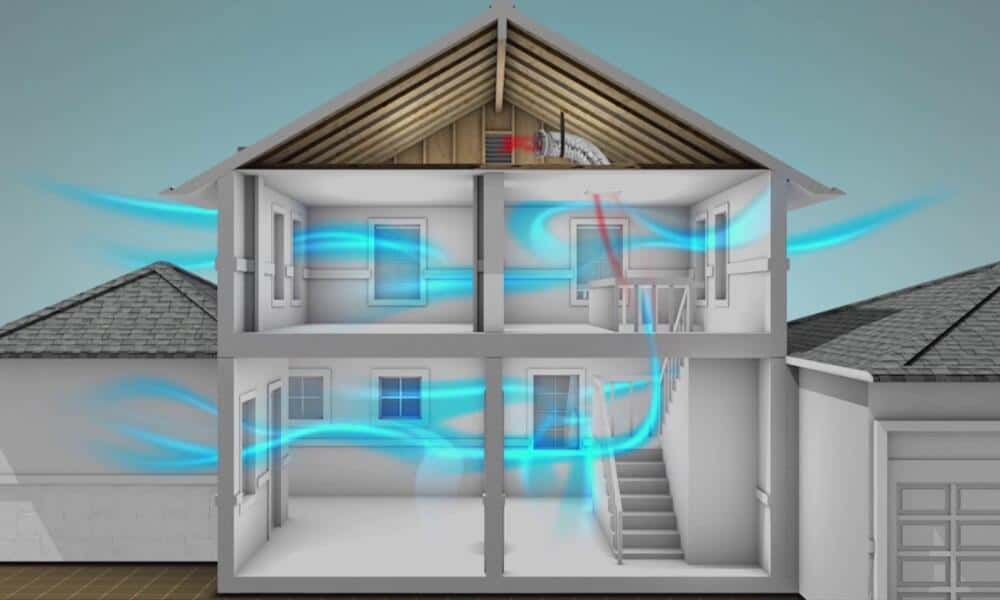
Here’s the thing — heat rises. So the upstairs of your house becomes a little oven by late afternoon, especially in summer. Meanwhile, the bottom floor stays fairly cool because it doesn’t trap as much heat.
What this means in real life:
- Upstairs bedrooms get hot and stuffy
- Downstairs cools quicker
- One small AC won’t cool both floors, no matter how hard it tries
Getting the right size AC gives you:
Understanding what size AC do you need for a two-storey house is essential for maintaining the right temperature throughout your home.
So, what size AC do you need for a two-storey house? Understanding the right specifications will help you maintain comfort throughout your home.
When considering what size AC do you need for a two-storey house, remember that heat rises and affects how you cool both floors.
- Better comfort
- Lower electricity bills
- Less strain on your unit
- Way fewer breakdowns
A Simple SA-Friendly AC Size Guide
Here’s a quick, practical guide most South African homes can follow:
| Area | Room Size (m²) | Recommended BTU | Notes |
|---|---|---|---|
| Small bedroom | 10–15 m² | 9,000 BTU | Perfect for a kid’s room or small office |
| Medium bedroom | 15–20 m² | 12,000 BTU | Standard SA bedroom size |
| Large bedroom | 20–25 m² | 12,000–18,000 BTU | Go bigger if the sun hits it hard |
| Lounge | 25–40 m² | 18,000–24,000 BTU | Works for most living rooms |
| Open-plan area | 40–60 m² | 24,000–30,000 BTU | These bigger areas usually need more power |
These numbers are based on typical South African houses — whether you’re in Durban humidity, Cape Town heatwaves, or the dry inland heat of Gauteng or the Northern Cape.
This guide should help clarify what size AC do you need for a two-storey house based on various factors.
How SA Homeowners Usually Cool a Double-Storey House?
When thinking about air conditioning, consider what size AC do you need for a two-storey house and how it impacts your energy bills.
Option 1: One AC Per Room (The Most Popular Option)
This is what most families go for because it lets everyone control their own space.
- Upstairs bedrooms: 9,000–12,000 BTU
- Lounge/living area: 18,000–24,000 BTU
It’s the most comfortable option and avoids any fights over “It’s too cold!” or “It’s too hot!”
Option 2: One Big AC Per Floor
This works well if you have a nice open layout.
- Upstairs: 18,000–24,000 BTU
- Downstairs: 24,000–30,000 BTU
Just remember: this only works if air can actually move around the space.
Things That Make Your Home Need a Bigger AC
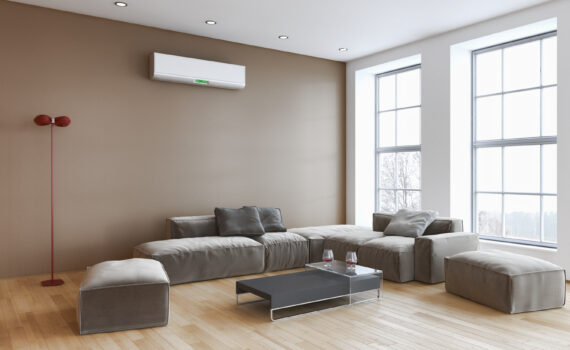
Some homes heat up more than others. You might need to size up if:
- Your windows face north or west
- You’ve got big sliding doors or a lot of glass
- Your ceilings are high
- The room gets full sun
- Insulation isn’t great
Upstairs usually catches the worst of this — especially around 3–5pm in summer. If you know, you know.
Looking After Your AC (Especially Important in SA Homes)
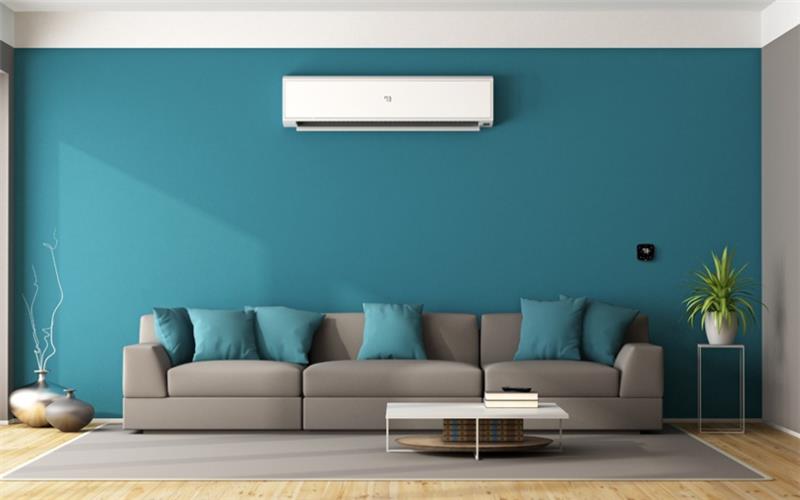
An aircon needs to be the right size and well taken care of. Even the perfect unit won’t cool properly if it’s dirty or needs a service.
That’s where a professional air conditioning service Mulmesbury makes a big difference — it keeps your AC running like it should. Doing regular air conditioner maintenance Piketberg also stops those annoying breakdowns in the middle of a heatwave. And when you really need help urgently, reliable emergency ac repair Riebeek Kasteel is the lifesaver you want on speed dial.
So What Size AC Should You Get?
Ultimately, you want to ensure you know what size AC do you need for a two-storey house for optimal performance.
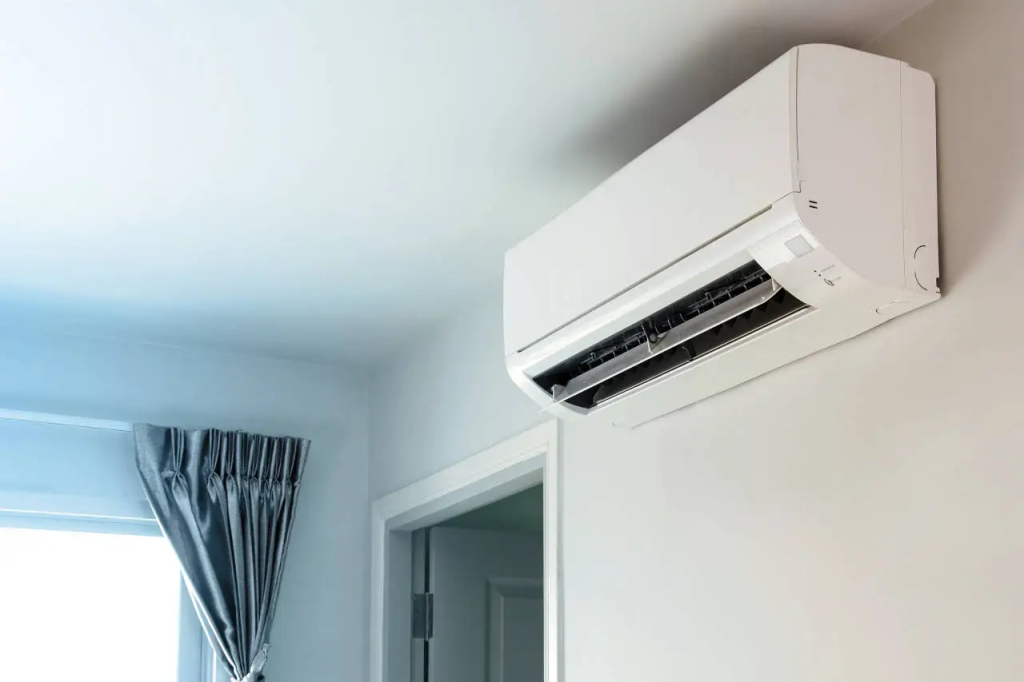
Here’s the short version:
- Upstairs: Go a bit bigger — it gets hotter, simple as that.
- Downstairs: Match the BTU to the size of the room.
- In-between two sizes? Go for the bigger one. Smaller units waste power and never cool properly.
A slightly bigger AC will cool faster, last longer, and use less energy in the long run.
Still Not Sure? Let CoolFlow Help You Out
Every home is different, and sometimes the layout or sunlight makes a big difference. CoolFlow Air Conditioning can check your home, measure the rooms, look at airflow, and recommend the perfect AC setup for your double-storey house.
No guessing. No overpaying. Just proper South African comfort.
For personalized solutions, discuss what size AC do you need for a two-storey house with our experts.
Contact Us
- Phone/WhatsApp: +27 78 772 0455
- Email: info@coolflowaircon.co.za
Frequently Asked Questions: What Size AC Do You Need for a Two-Storey House?
These FAQs address common concerns about what size AC do you need for a two-storey house, helping you make informed decisions.
1. How do you accurately determine the correct AC size for a two-storey house?
Firstly, accurate sizing requires calculating each floor separately, taking into account room size, ceiling height, insulation, window placement, and heat exposure. Therefore, a professional heat load calculation ensures efficient cooling without overworking the system.
In conclusion, determining what size AC do you need for a two-storey house will ensure you have the right unit for your needs.
2. Why is it not recommended to use one AC unit for a two-storey home?
Because heat rises, a single unit struggles to cool both levels evenly. As a result, some areas become too warm while others feel overcooled, leading to discomfort and higher electricity costs.
3. How much additional cooling does the upstairs floor usually need?
In most homes, the upper floor requires 15 to 25 percent more cooling capacity. Consequently, higher BTU ratings or additional units are necessary to maintain consistent temperatures.
4. What is the ideal BTU range for upstairs bedrooms in a two-storey house?
Typically, upstairs bedrooms require between 9,000 and 14,000 BTUs depending on sun exposure and insulation quality. Therefore, rooms facing direct sunlight often need stronger units.
Remember, understanding what size AC do you need for a two-storey house is key to efficient cooling.
5. What AC size works best for open-plan living areas downstairs?
Large open-plan spaces usually need 18,000 to 24,000 BTUs or more. In addition, airflow direction and room layout must be considered to avoid uneven cooling.
6. Is it better to install multiple split units or a ducted system?
Split units offer flexibility and independent room control, while ducted systems provide seamless cooling throughout the house. Ultimately, the best choice depends on budget, layout, and comfort preferences.
7. How does insulation and roofing material affect AC sizing?
Good insulation and reflective roofing significantly reduce heat gain. As a result, smaller air conditioners can cool the home effectively, lowering energy consumption over time.
8. Why is inverter technology important in double-storey homes?
Inverter technology adjusts compressor speed based on demand. Consequently, it maintains stable temperatures across both floors while reducing electricity usage and system wear.
9. How do windows and sunlight impact AC size requirements?
Large windows and strong sun exposure increase heat load dramatically. Therefore, rooms with many windows often require higher BTU units or additional cooling support.
Before making a decision, consider what size AC do you need for a two-storey house based on your specific circumstances.
10. Why should homeowners get a professional AC assessment?
Professional assessments ensure correct unit sizing, optimal placement, and proper airflow design. Ultimately, this prevents wasted money, improves comfort, and extends the lifespan of the air conditioning system.
Finally, to summarize, knowing what size AC do you need for a two-storey house can greatly enhance your comfort.
