
How Do I Know if My AC Gas Is Low?

When your aircon stops cooling as it used to, low gas (refrigerant) is often the reason. The refrigerant plays a crucial role in pulling heat out of the air, and without enough of it, your system simply can’t keep up. You’ll start noticing weaker cooling, higher electricity bills, and a unit that works harder than it should. Many South Africans put up with these issues for months without realising the gas level is dropping.
At CoolFlow Air Conditioning, we’ve seen how early detection can prevent costly breakdowns, especially during our hotter months when your AC works the hardest.
If you’re concerned about your system’s performance and asking, How Do I Know if My AC Gas Is Low?, you’re not alone. It’s important to identify this early for effective maintenance.

1. Weak or Warm Airflow
If you’re wondering How Do I Know if My AC Gas Is Low?, keep an eye out for the following symptoms:
Knowing How Do I Know if My AC Gas Is Low? can save you from costly repairs and ensure your aircon runs efficiently.
If your aircon is running but you’re not getting proper cold air, your gas level may be low. Keep an eye out for:
So, How Do I Know if My AC Gas Is Low? The following signs can help you identify the issue quickly.
- Warm or slightly cool air coming from the vents
- A noticeable drop in airflow
- Rooms are taking ages to cool
- Cooling that weakens during the afternoon heat
2. Longer Cooling Cycles
Low gas means your unit needs to run longer just to achieve the same temperature. Typical signs include:
If you’ve been wondering, How Do I Know if My AC Gas Is Low? these symptoms should be your first clue to check your refrigerant levels.
- Aircon running for long periods without switching off
- Slow or minimal temperature changes
- Cooling cycles are dragging on
- The room never quite reaches the set temperature
If you’re nearby and this sounds familiar, you may need air conditioning repair Tulbagh to sort out the issue properly.
3. Ice Build-Up on Pipes or Coils
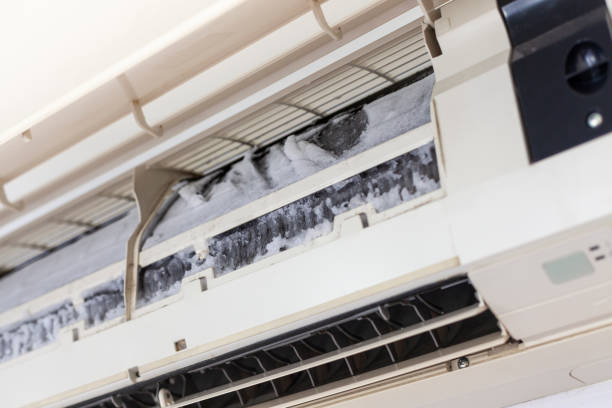
Ice on your aircon is never a good sign. It often happens when there’s not enough refrigerant. Look out for:
When considering How Do I Know if My AC Gas Is Low?, ice buildup is a clear warning that your refrigerant levels are not where they should be.
- Frost forming on the copper pipes
- Ice is sitting on the indoor coil
- Water dripping after the ice melts
- Weak airflow because parts of the system are frozen
4. Strange Hissing or Bubbling Sounds
Refrigerant leaks tend to make unusual noises. Listen for:
-
- Hissing sounds near the pipes
- Bubbling noises inside the system
- A light “spray” noise when it switches off
If you hear unfamiliar sounds, ask yourself, How Do I Know if My AC Gas Is Low? These noises can indicate a refrigerant leak.
- Sounds coming from joints or connection points
These noises usually mean there’s a leak somewhere, and it needs attention before gas can be topped up.
5. Higher Electricity Bills
If your bill suddenly shoots up, your AC may be working overtime due to low gas. Typical signs include:
Sudden spikes in your electricity bill may lead you to question, How Do I Know if My AC Gas Is Low? Keep an eye out for these financial alerts.
- Increased electricity costs for no obvious reason
- AC is running harder, but still not cooling well
- Longer run times throughout the day
If you’re dealing with AC not cooling Steenberg Estate, a refrigerant issue is often to blame.

6. Uneven Cooling Around the House
Low gas makes it harder for your AC to cool all areas evenly. You might notice:
As you assess your home, remember How Do I Know if My AC Gas Is Low? is about recognizing uneven cooling as a major issue.
- Some rooms stay warm while others cool down
- Hot spots far from the indoor unit
- Temperature differences during the hottest part of the day
- Only part of the home feels comfortable
7. Delayed Cooling Response
Another common sign is that your aircon takes forever to start cooling. Look for:
Take note of your aircon’s response time. If you feel delayed cooling, consider How Do I Know if My AC Gas Is Low? as a potential cause.
- Slow reaction time after switching it on
- The temperature hardly drops for the first few minutes
- Weak cooling during midday heat
- A comfortable temperature was only reached much later
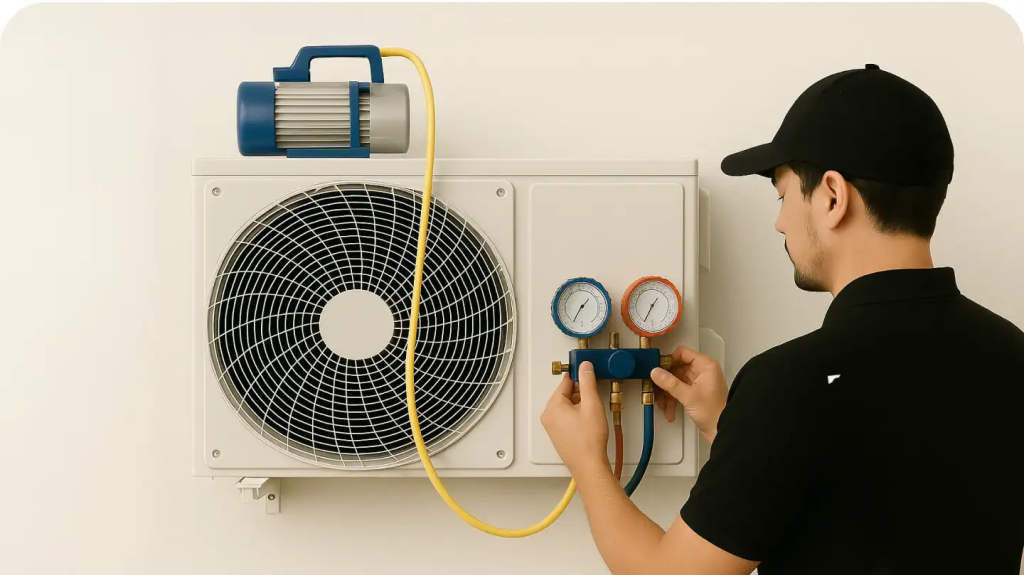
Why AC Gas Drops?
Understanding How Do I Know if My AC Gas Is Low? requires knowing the reasons why your refrigerant drops.
Refrigerant doesn’t just “run out,” so low levels always mean something is wrong. Typical causes include:
- Tiny leaks in the pipes or coil
- Corroded copper
- Loose fittings or worn seals
- Damage from previous repairs or installation issues
A proper technician must find and repair the leak before refilling the gas.
To ensure your system operates correctly, ask How Do I Know if My AC Gas Is Low? and address any leaks immediately.
Why You Shouldn’t Leave It?
Running your AC on low gas leads to:
- Damage to the compressor
- Higher electricity bills
- Poor cooling performance
- Bigger repair costs later on
Sorting it out early saves you money and keeps the system running efficiently.
Identifying problems early can help you answer How Do I Know if My AC Gas Is Low? before it turns into a larger issue.
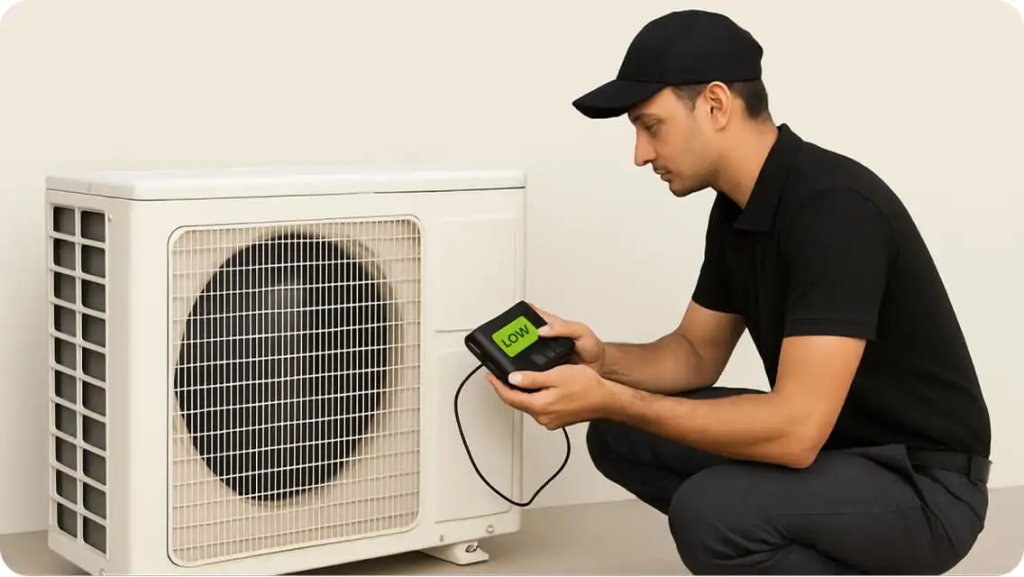
When to Call CoolFlow Air Conditioning
When you’re unsure whether the gas is low, it’s best to have it checked by a professional. Contact us at CoolFlow Air Conditioning, and we handle all refrigerant checks, leak repairs, and system recharges.
Homeowners needing air conditioner maintenance Saldanha can rely on our team for thorough inspections and dependable service.
If unsure, remember that asking How Do I Know if My AC Gas Is Low? is the first step to getting professional help.
How Do I Know if My AC Gas Is Low? – Detailed FAQs & Explanations
1. What are the earliest warning signs of low AC gas?
To begin with, the earliest signs are often subtle. For example, the aircon may take longer to cool the room, airflow may feel weaker, or the temperature may fluctuate. As a result, many homeowners miss these early warnings until the problem becomes worse.
2. Can my aircon still cool if the gas is low?
In most cases, yes, but only partially. However, because the refrigerant level is insufficient, the system cannot absorb heat effectively. Consequently, cooling becomes inconsistent and inefficient.
Your aircon’s efficiency is tied to the answer for How Do I Know if My AC Gas Is Low? and how you maintain the refrigerant levels.
3. Why does low AC gas cause warm air instead of cold air?
Simply put, refrigerant is responsible for absorbing heat from the indoor air. Therefore, when gas levels are low, heat removal is reduced. As a result, the air blowing from the unit feels warm or only slightly cool.
4. Will low refrigerant make my aircon run all the time?
Yes, very often. Because the system struggles to reach the set temperature, it keeps running for longer cycles. Consequently, this increases wear on components and drives up electricity usage.
5. How does ice buildup indicate low AC gas?
When refrigerant levels drop, pressure inside the system changes. As a result, moisture freezes on the coils or copper pipes. Therefore, ice buildup is one of the strongest indicators of low gas.
When troubleshooting, keep in mind How Do I Know if My AC Gas Is Low? is key to preventing further damage.
6. Can low gas cause water leaks from the indoor unit?
Yes. Ice buildup eventually melts when the unit switches off. Consequently, excess water may leak from the indoor unit or drip unusually, signalling a refrigerant issue.
7. Does low AC gas mean there is always a leak?
In almost all cases, yes. Refrigerant does not get “used up.” Therefore, if gas is low, it usually means there is a leak somewhere in the system that needs to be repaired.
8. Can I just regas my aircon without fixing the leak?
Although it may seem like a quick fix, this is not recommended. As a result of ignoring the leak, the gas will escape again, leading to repeated costs and possible compressor damage.
Before you regas, consider How Do I Know if My AC Gas Is Low? and ensure that you’ve addressed any leaks.
9. How does low refrigerant affect the compressor?
Low gas forces the compressor to work harder and overheat. Consequently, this significantly increases the risk of compressor failure, which is one of the most expensive aircon repairs.
10. Can low AC gas increase electricity bills?
Absolutely. Because the system runs longer and less efficiently, energy consumption rises. Therefore, unexplained increases in electricity bills are often linked to low refrigerant levels.
11. Is it safe to keep using my aircon if the gas is low?
Unfortunately, no. Continued operation with low gas places extreme stress on the compressor. As a result, what starts as a regassing issue can turn into a full system failure.
Ultimately, understanding How Do I Know if My AC Gas Is Low? will help you make informed decisions about your aircon’s health.
12. How do technicians confirm that AC gas is low?
Professionals use pressure gauges, temperature readings, and leak detection tools. Therefore, proper diagnosis ensures accurate regassing and prevents unnecessary refills.
13. How often should AC gas normally last?
Under normal conditions, refrigerant should last for many years. Therefore, frequent regassing is a clear sign that something is wrong with the system.
14. What should I do immediately if I suspect low AC gas?
First, reduce usage to prevent damage. Then, contact a qualified technician for inspection. As a result, leaks can be repaired and gas levels restored safely.
As you act on concerns, remember to ask How Do I Know if My AC Gas Is Low? to guide your next steps.
15. Can regular servicing prevent low gas problems?
Yes, without question. During routine servicing, technicians check pressures and connections. Consequently, leaks are detected early before major damage occurs.
Regular checks help you prevent issues by knowing How Do I Know if My AC Gas Is Low? before they escalate.
🔑 Key Takeaway (Very Important)
-
Low AC gas is a symptom, not the root problem
-
Leaks must be fixed before regassing
-
Ignoring low gas risks compressor failure
-
Early action saves money and extends lifespan
Final Thoughts on How Do I Know if My AC Gas Is Low?
Low AC gas is a common problem in South African homes, and understanding How Do I Know if My AC Gas Is Low? is crucial for early detection. Weak airflow, ice on the pipes, longer cooling cycles, and higher electricity bills are all tell-tale signs. Don’t ignore them—get your system checked before the issue becomes bigger and more expensive.
Contact Us
- Phone/WhatsApp: +27 78 772 0455
- Email: info@coolflowaircon.co.za

