How much does an Air Conditioner Installation Cost in Vermont?

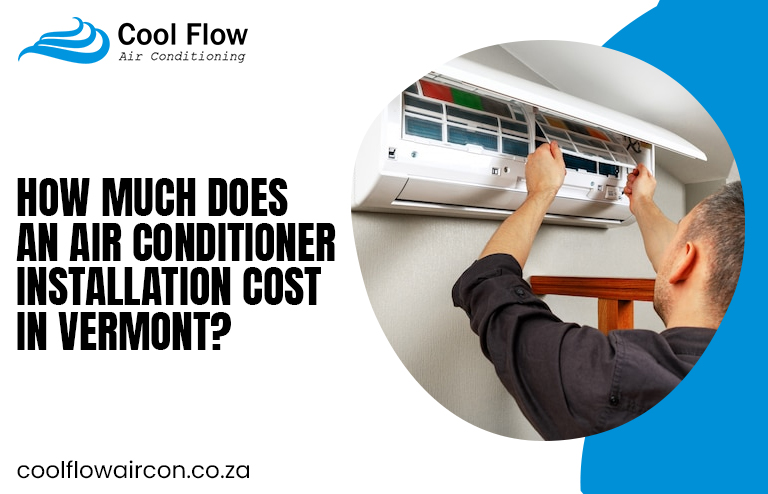
If you’re planning to install a new AC system this year, one of the biggest questions you likely have is: How much does air conditioner installation cost in Vermont? With a climate that experiences humid summers and increasingly warm seasonal spikes, Vermonters are investing more in efficient cooling systems each year. However, installation prices vary widely depending on AC type, home layout, system size, and labor complexity.
Additionally, Vermont’s mix of historic homes, dense insulation standards, and energy-efficient building requirements can influence overall pricing. This guide breaks down everything you need to know—from average installation costs to what affects the total price, how to plan your budget, and smart ways to save. Let’s explore the full cost breakdown so you can make a confident, informed decision.
Average Cost of Air Conditioner Installation in Vermont
The average air conditioner installation cost in Vermont varies depending on system type and size. Below is a clear pricing overview:
| AC type | Size | Approx Installation Cost | Notes |
| Split System | 9000-12000 BTU | $2,800 – $5,200 | Ideal for bedrooms or small living rooms |
| Split System | 18000-24000 BTU | $4,000 – $7,500 | Suitable for larger areas |
| Commercial / Office Units | 36000+ BTU | $7,500 – $20,000+ | High-capacity installations |
These price ranges reflect standard labor, basic materials, and a typical indoor/outdoor unit configuration.
What Influences AC Installation Costs?
Many factors can increase or decrease total pricing. Below is a detailed breakdown:
- AC Size / BTU Capacity: Larger systems cost more because they require heavier equipment and more complex installation.
- Brand and Technology: Inverter models cost more upfront but significantly reduce electricity consumption..
- Mounting Brackets or Roof Placement: Ceiling-mounted brackets or rooftop installations increase complexity.
- Electrical Upgrades: Some Vermont homes need:
– New breaker box
– Dedicated circuit
– Isolator switch installation - Home Height / Story Level: Second-story installations require additional safety equipment and labor.
Each of these factors influences the final quote, so homeowners should request a detailed breakdown before approving work.
Standard vs Non-Standard Installation
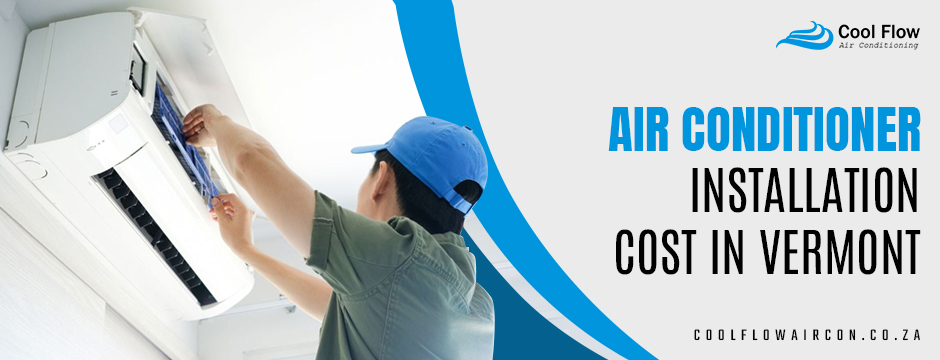
A standard installation typically includes:
- 10–12 feet of copper refrigerant piping
- Basic drain pipe
- Standard electrical connections
- One wall penetration
- Outdoor wall bracket (if required)
- Basic testing and commissioning
However, many homes require non-standard upgrades.
Cost Comparison Table
| Installation Type | Estimated Cost |
| Standard Install | Included in system price |
| Extra Piping | $12 – $25 |
| Electrical Work | $80 – $250 |
| Special Drilling | $40 – $80 |
| Additional Mounting Brackets | $50 – $120 |
Non-standard installations are common in older Vermont homes with unusual layouts or limited access routes.
Price Differences by AC Type
Different home layouts require different cooling systems. Here’s how pricing varies:
Bedroom or Small Lounge Air Conditioners
- Typically 9,000–12,000 BTU
- Ideal for small residential rooms
- Installation cost ranges: $2,800 – $5,200
Open-Plan Homes
- Require 18,000–24,000 BTU units
- Additionally, airflow mapping may be needed
- Installation cost ranges: $4,000 – $7,500
Offices & Commercial Buildings
- Require multi-split or high-capacity systems
- Custom designs may add engineering fees
- Cost often exceeds $10,000
Vermont Climate Consideration
Because Vermont experiences cold winters and increasingly warm summers, many homeowners choose heat-pump style AC systems, which cost more but provide year-round heating and cooling.
Hidden or Additional Expenses to Consider
When calculating the air conditioner installation cost in Vermont, remember to include:
- Site Inspection Fee: Some installers charge for a pre-installation survey.
- Travel Charges: If your location is rural or farther from service centers.
- Refrigerant/Gas Top-Up: Required if extra piping is needed.
- Annual Maintenance: Professional cleaning ensures efficiency.
- Warranty and Compliance Certificates: Mandatory documentation for many manufacturers.
These additional expenses ensure your system functions safely and efficiently.
How to Choose the Right AC Size?
Selecting the correct BTU size is crucial for energy efficiency and performance.
Quick AC BTU Size Guide
| Room Size | Recommended BTU |
| Small Bedroom (100–200 sq. ft.) | 9,000–12,000 BTU |
| Living Room or Office (200–350 sq. ft.) | 18,000–24,000 BTU |
| Large Open Area (400+ sq. ft.) | 24,000 BTU+ |
Oversized units waste electricity, while undersized units struggle to cool effectively.
Tips to Save on Installation Costs
Here are several practical ways to reduce expenses:
- Choose optimal placement to minimize piping distance.
- Install during the off-peak season to avoid summer price increases.
- Maintain your AC annually to avoid costly breakdowns.
- Compare unit types, including energy-efficient models.
- Request multiple quotes to ensure fair pricing.
Additionally, regular servicing increases energy performance, which leads to long-term savings — a standard of efficiency and care upheld by Coolflow Air Conditioning.
Frequently Asked Questions (FAQ)
The average air conditioner installation cost in Vermont typically ranges between $2,800 and $7,500. The final price depends on several factors, including the type of system, cooling capacity, home size, installation complexity, electrical upgrades, and whether ductwork modifications are required.
BTU size directly impacts installation cost because larger-capacity systems require more powerful components, heavier electrical loads, and sometimes reinforced mounting or upgraded wiring. Oversized units may also need additional labor and materials, increasing overall installation expenses compared to smaller systems.
A standard air conditioner installation usually includes mounting the indoor and outdoor units, basic refrigerant piping, electrical connections, wall drilling, drainage setup, system calibration, and final performance testing. It generally excludes major electrical upgrades, ductwork changes, or structural modifications.
Most residential air conditioner installations take between 3 and 6 hours under normal conditions. However, larger systems, complex layouts, older homes, or installations requiring electrical or structural upgrades may extend the process to a full working day or longer.
Vermont homes often benefit from heat-pump air conditioning systems because they provide efficient cooling in summer and reliable heating during winter. These systems are well-suited to Vermont’s climate, helping homeowners reduce energy use while maintaining year-round comfort without needing separate heating and cooling units.
Yes, an inverter AC is worth the higher upfront cost because it adjusts compressor speed based on cooling demand. This leads to consistent temperatures, quieter operation, and significantly lower electricity consumption over time, making it a cost-effective and energy-efficient long-term investment.
Choosing the right AC size depends on room dimensions, insulation quality, ceiling height, and sunlight exposure. Larger or poorly insulated spaces require higher BTU units, while smaller rooms need lower capacity systems. Proper sizing ensures efficient cooling, lower energy bills, and longer equipment lifespan.
Maintenance costs in Vermont are generally reasonable. Annual professional servicing is affordable and helps keep systems running efficiently. Regular maintenance reduces the risk of breakdowns, improves performance, and prevents costly repairs, making it a smart and economical practice for long-term AC ownership.
Yes, older Vermont homes may have higher installation costs due to outdated electrical systems, limited access points, thicker walls, or the need for custom drilling. Additional upgrades, such as wiring improvements, breaker replacements, or reinforced mounting, can increase overall installation expenses compared to newer constructions.
In many Vermont municipalities, permits are required for AC installation, especially if electrical upgrades or structural changes are involved. Permit costs are usually modest but essential for compliance with local building codes, safety regulations, and manufacturer warranty requirements.
Yes, modern energy-efficient AC systems, especially inverter or heat-pump models, consume significantly less electricity than older units. When properly sized and installed, they provide better cooling performance while lowering monthly energy bills, making them a smart long-term investment for Vermont homeowners.
Ductless mini-split systems are often more affordable than central air installations because they don’t require ductwork. They also offer zoned cooling, improved efficiency, and easier installation, making them popular for Vermont homes with limited space or older layouts.
The best time to install an air conditioner in Vermont is during spring or early fall. Off-peak seasons typically offer better availability, shorter wait times, and sometimes lower installation costs compared to peak summer months when demand is highest.
Yes, installing a modern and energy-efficient air conditioning system can increase property value. Buyers often view reliable cooling and heating systems as a major advantage, particularly in Vermont, where climate flexibility and energy efficiency are increasingly important selling points.
With proper installation and regular maintenance, most AC systems last between 12 and 15 years. High-quality inverter or heat-pump systems may last even longer. Annual servicing, filter changes, and timely repairs play a major role in extending system lifespan.
Final Thoughts
Understanding the air conditioner installation cost in Vermont helps homeowners budget correctly, avoid hidden surprises, and choose the right AC system for their space. With the right installer, you can enjoy reliable cooling, improved energy efficiency, and long-term savings.
For dependable, professional, and affordable AC installation services, explore Coolflow Air Conditioning, one of the most trusted names in quality air conditioning solutions.